Guillermo del Toro’s Frankenstein on Netflix reimagines Mary Shelley’s 1818 novel as a story about fathers, sons, and the inheritance of guilt.
In his words, it is “an epic about how trauma and love are passed down.” Where Shelley explored reason and rebellion, del Toro finds a quieter tragedy, a tale of creation, regret, and forgiveness.
We break down the two stories side by side, how they begin, how they differ, and what their endings reveal about what it means to create life and bear its cost.
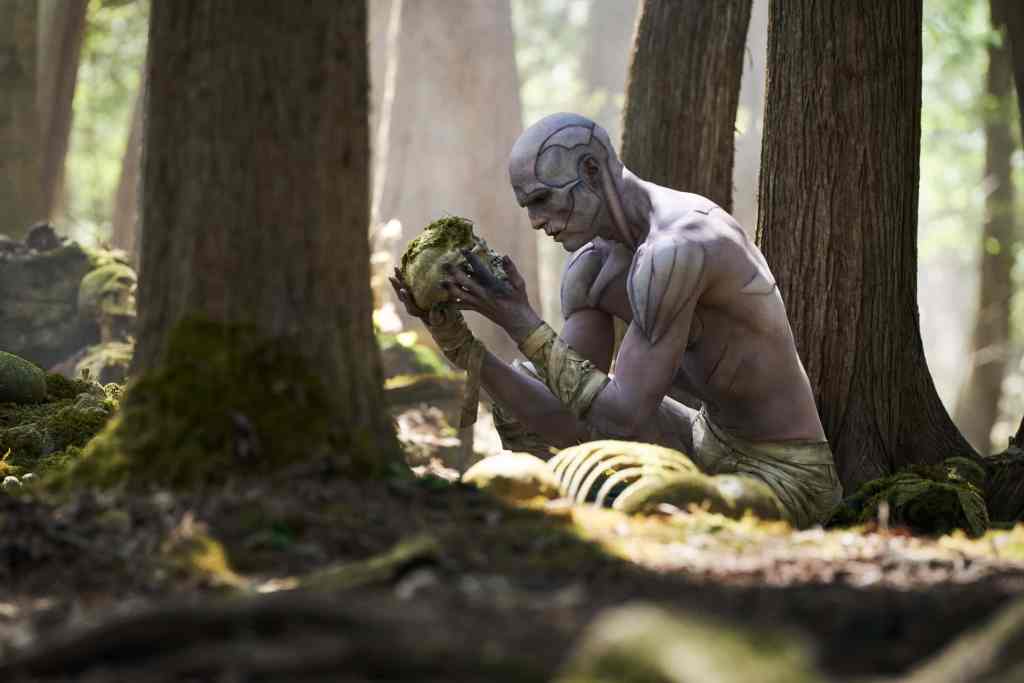
The Book: Mary Shelley’s Frankenstein (1818)
Mary Shelley’s novel unfolds through a layered narrative of letters, confessions. Captain Robert Walton, trapped in the Arctic, rescues Victor Frankenstein, who recounts the story of his own creation and destruction.
In the book, Victor is a Swiss scientist whose obsession with unlocking the secret of life drives him to assemble a being from dead body parts. When it opens its eyes, he recoils in horror and abandons it. What follows is not just a pursuit between maker and creation but a conversation about loneliness and rejection.
The creature learns language by observing humans, discovers art and history through reading, and develops an aching self-awareness. Every attempt to seek love is met with violence, turning him from innocent to vengeful. He murders Victor’s brother, frames an innocent woman, and demands that his creator make him a companion. Victor begins a second creature, then destroys it, fearing a new race might arise.
The novel closes where it began, in the Arctic. Victor dies aboard Walton’s ship, and the creature, overcome by grief, promises to end his own life. Shelley’s conclusion is ambiguous, and tragic, a warning about ambition untempered by empathy.

The Netflix Adaptation: Guillermo del Toro’s Vision
Del Toro sets his version in 1857, shifting the focus from scientific discovery to emotional inheritance. The film opens on a Danish ship locked in ice, an echo of Shelley’s frame narrative, where sailors rescue Victor Frankenstein (Oscar Isaac) and glimpse a monstrous figure in the snow.
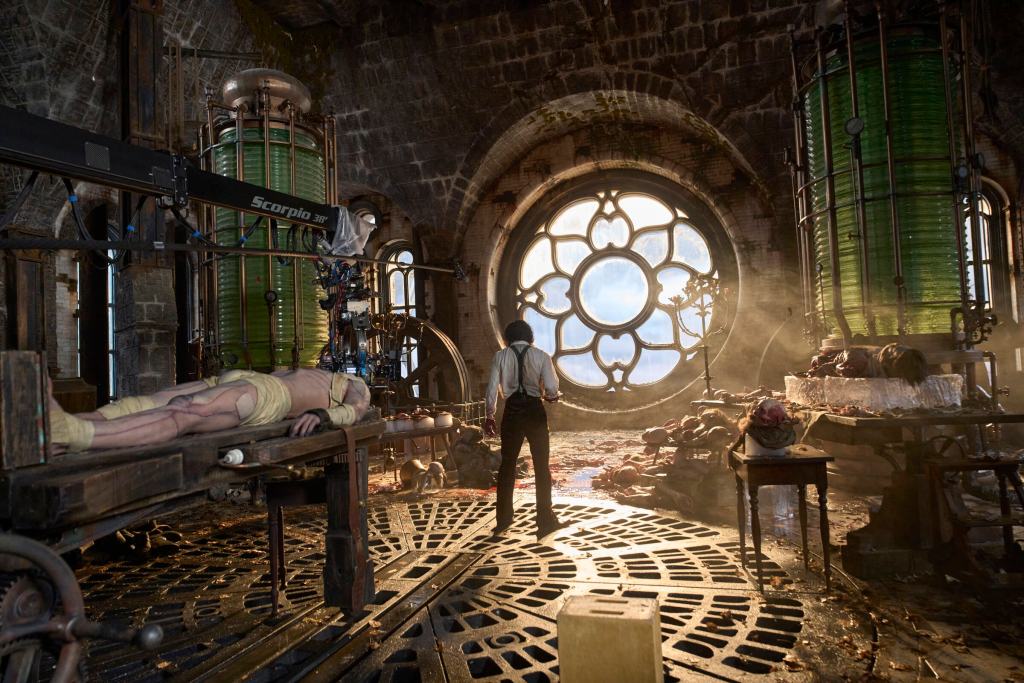
Victor recounts a childhood under his domineering father, Baron Leopold Frankenstein (Charles Dance), and a lifetime spent chasing control over life and death. Backed by Heinrich Harlander (Christoph Waltz), a dying surgeon who sees the lymphatic system as the key to immortality, Victor conducts his experiments in a storm-beaten tower.
Del Toro’s creation sequence is ritualistic and reverent: lightning, silver conduits, and machinery turn death into art. He described the creature, played by Jacob Elordi, as “a resurrected soldier from a mass grave”, not a monster stitched together but a man reborn from history’s wounds.
At first the being can only utter Victor and Elizabeth. Victor’s frustration grows; he wanted intellect, not dependence. When Elizabeth (Mia Goth) and Victor’s brother find the creature chained, her compassion contrasts his cruelty. She calls him to see the humanity he refuses. Victor’s spiral ends in fire, he burns the tower to destroy what he can’t understand, wounding himself but not his creation.
The second half follows the creature’s wandering. He hides near a farm, learns language from a blind old man and his granddaughter, and briefly finds peace. Misjudged and attacked again, he realizes he can’t die and will never belong. Returning to Victor’s ruins, he discovers letters revealing his origin and seeks his maker one last time.
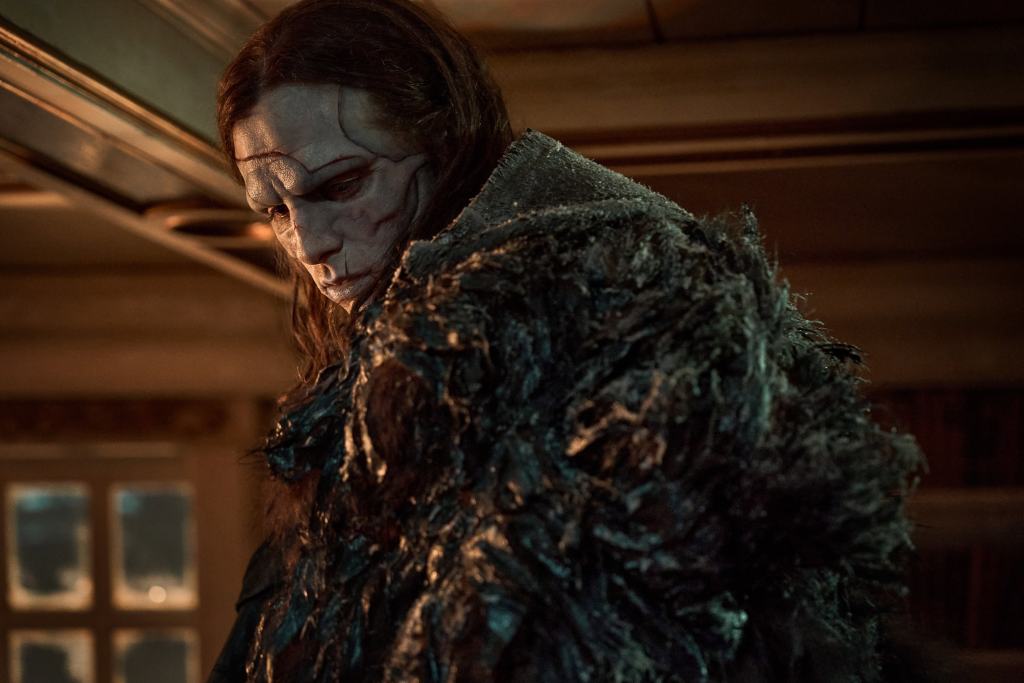
Key Differences Between Book and Netflix Film
Structure
Shelley’s novel layers letters inside confessions; del Toro’s film is linear, anchored by Victor’s and llater The Creature’s testimony aboard the ship.
Creation Scene
Shelley’s creation happens off-page and instantly horrific. Del Toro lingers on the mechanics and ritual, lights, thunder, turning the act into sacred transgression.
The Creature’s Nature
Shelley’s being is articulate and philosophical. Del Toro’s creature learns slowly, expressing thought through gesture and silence rather than rhetoric, embodying innocence and love more than intellect.
Elizabeth’s Role
In the book she is Victor’s fiancée and victim; in the film she is William’s fiancée and is both scientist and conscience. Mia Goth describes her as “intellectual yet grounded in faith,” a moral lens through which the story weighs love against ambition.
Visual Tone
Del Toro uses color as emotion, red recurring around Victor to symbolize childhood guilt and bloodline, where Shelley relied on language to evoke dread.
Ending
Shelley’s creature vows to die; del Toro’s ends with the creature alive, forgiving his maker, walking into the Arctic dawn no longer vengeful but aware.
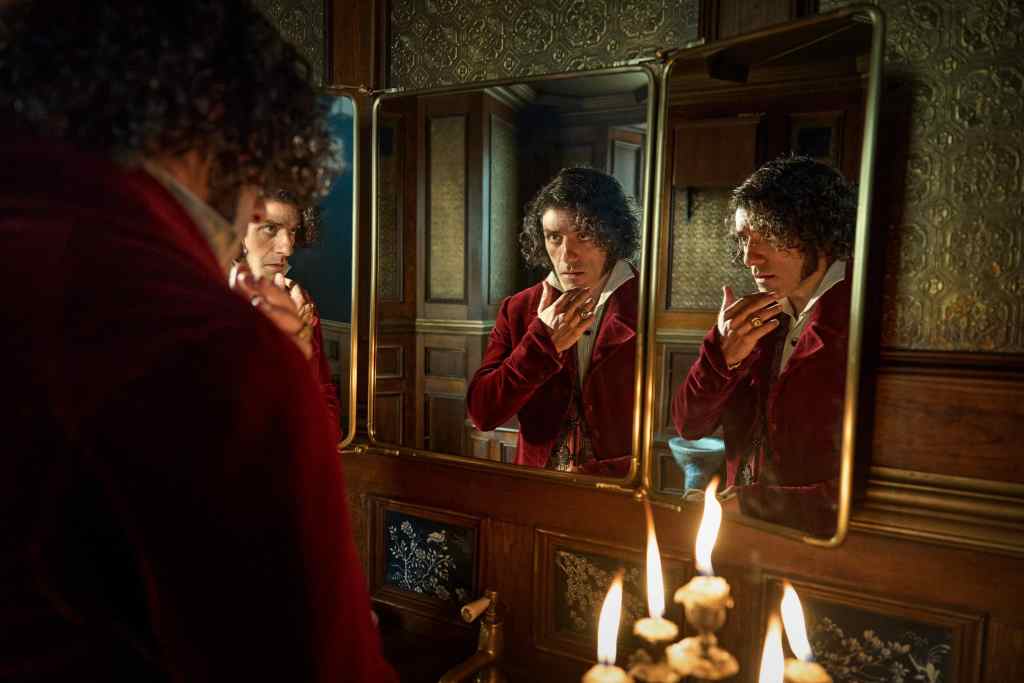
The Ending Explained, From Page to Screen
Both versions return to the ice, but their meanings diverge. Shelley’s ending closes the circle of despair: the creature disappears, leaving humankind unchanged. Del Toro reframes that final encounter as reconciliation.
Victor, dying aboard the Danish ship, calls the creature his son. The creature forgives him, calling him father. After Victor’s death, the creature saves the crew, and walks away beneath the red-lit sky, a visual echo of rebirth. The film ends on Lord Byron’s words: “And thus the heart will break, yet brokenly live on.”
Where Shelley warned against creation, del Toro mourns its loneliness. The story becomes not a horror of science but a requiem for compassion withheld too long.
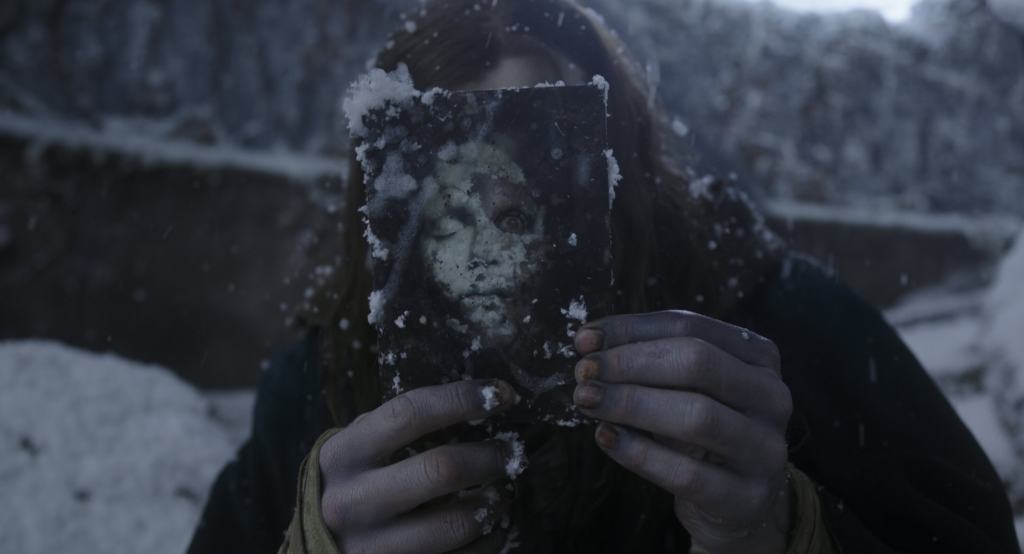
Why Guillermo del Toro’s Frankenstein Feels Different
Del Toro turns Shelley’s philosophical novel into a story about empathy. Victor is not just a scientist chasing discovery; he’s an artist who confuses control with love. The creature, once a symbol of fear, becomes the film’s emotional center, someone who endures pain and rejection yet still chooses forgiveness.
Through its design, color, and silence, Frankenstein reflects what del Toro calls “a love story between a man and his making.” The film moves past the idea of failed invention, focusing instead on the fragile understanding that forms between the one who creates and the one who was made.
Key Details: Frankenstein
- Release dates: In select theaters October 17, 2025; streaming on Netflix November 7, 2025
- Director & screenplay: Guillermo del Toro
- Based on: Frankenstein; or, The Modern Prometheus by Mary Shelley
- Producers: Guillermo del Toro, J. Miles Dale, Scott Stuber
- Main cast: Oscar Isaac (Victor Frankenstein), Jacob Elordi (the Creature), Mia Goth, Felix Kammerer, David Bradley, Lars Mikkelsen, Christian Convery, Charles Dance, Christoph Waltz
The Poster