
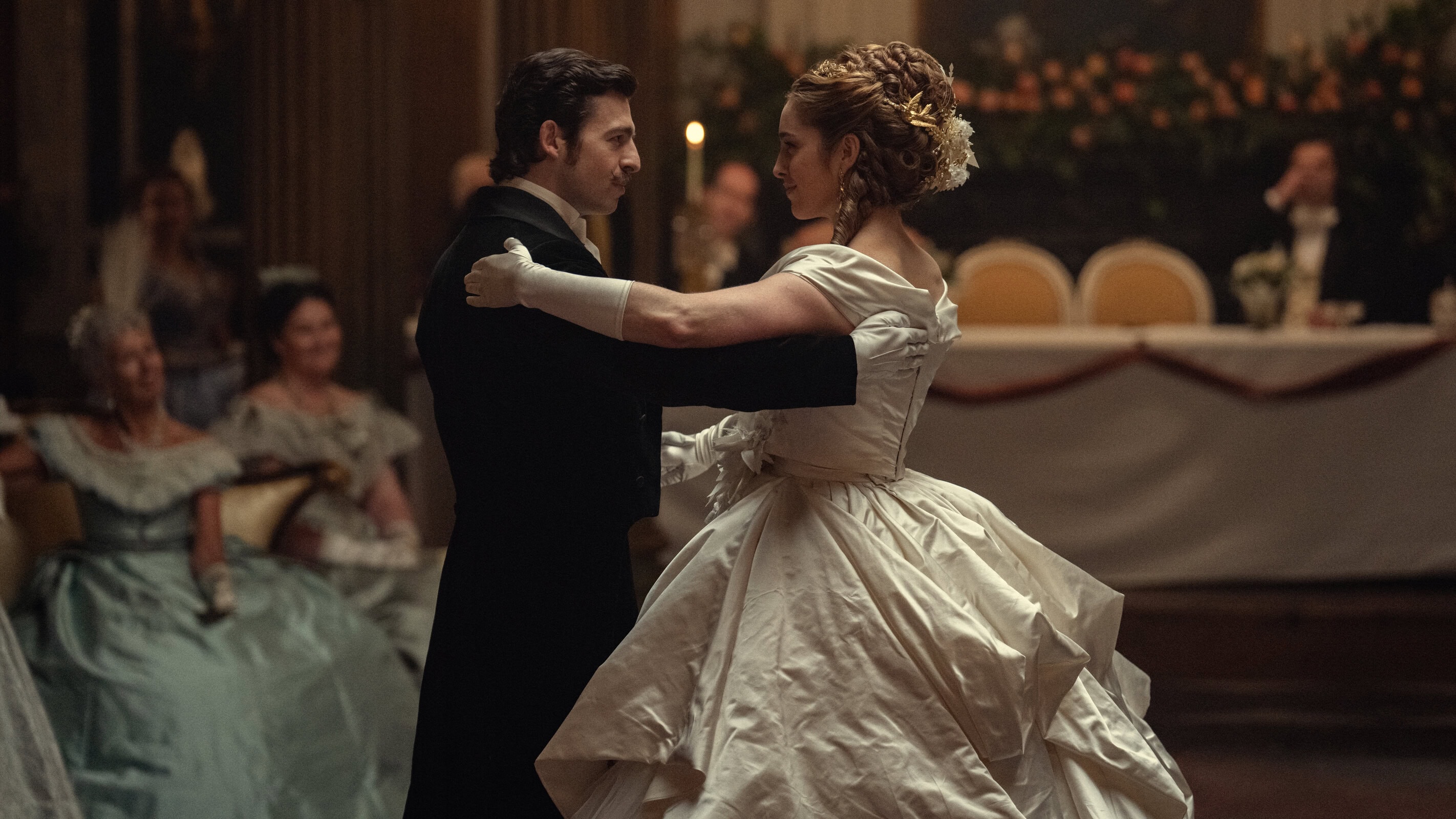
The House of Guinness soundtrack combines modern Irish voices with echoes of traditional folk. It’s a score that bridges centuries, reminding viewers that music has always carried the spirit of resistance, identity, and community in Ireland.
Here are some of the tracks identified in the series:
- Fontaines D.C. – “Starburster”
- Kneecap – “It’s Been Ages”
- Rocstrong – “Go Head”
- The Scratch – “Cheeky Bastard”
- Shark School – “Choose Life”
- The Stunning – “Brewing Up a Storm”
- Kneecap – “I bhFiacha Linne”
- The London Pops Orchestra – “Waltz from Coppelia”
- Thundercat & Remi Wolf – “Children of the Baked Potato”
- Lisa O’Neill – “Goodnight World”
- The Mary Wallopers – “As I Roved Out”
- Millrow Loyalist Flute Band – “King Billy’s March / Linfield Tartan”
- Kneecap – “H.O.O.D”
- François-Joël Thiollier – “Debussy: Estampes, III. Jardins sous la pluie”
- Flogging Molly – “Devil’s Dance Floor”
- Kneecap – “Get Your Brits Out”
This mix of contemporary Irish hip hop, punk, folk revival, classical, and traditional flute bands underscores the show’s decision to connect the 19th-century Guinness world with Ireland’s living musical culture.
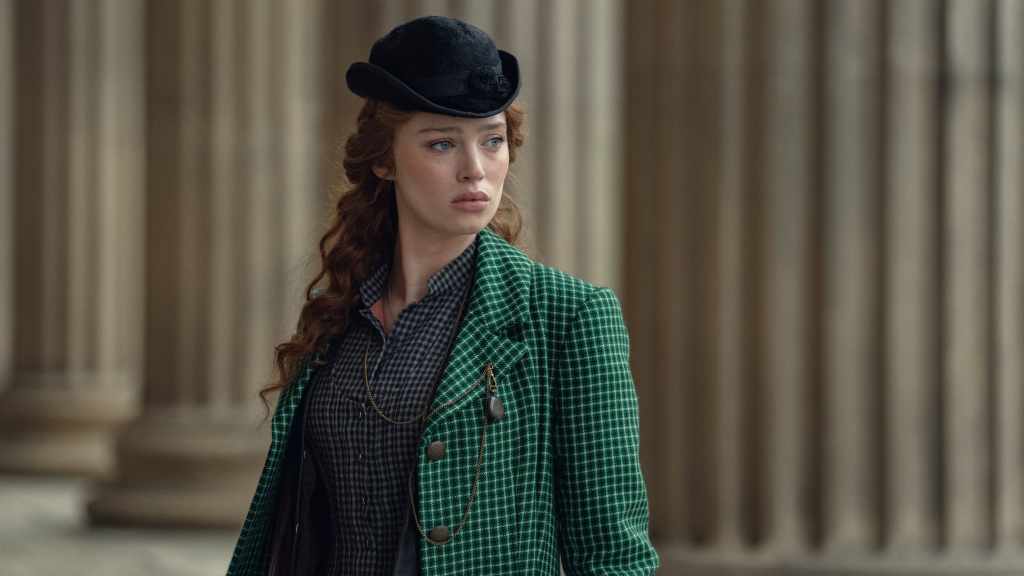
Music as Historical Texture
The inclusion of artists like Kneecap, known for their politically charged Irish rap, situates the story within a continuum of cultural resistance. Their songs echo the Fenian struggles depicted in the series, placing 19th-century rebellion alongside modern protest.
Lisa O’Neill and The Mary Wallopers bring folk traditions into the mix, grounding the show in melodies that might have been sung in taverns or whispered at wakes. Meanwhile, The Stunning’s “Brewing Up a Storm” and Fontaines D.C. carry the raw, urban energy of Dublin today, linking past and present through shared anxieties about power, class, and identity.
Even the appearance of a Millrow Loyalist Flute Band track adds to the narrative, underscoring how music in Ireland has long been tied to politics, religion, and allegiance.
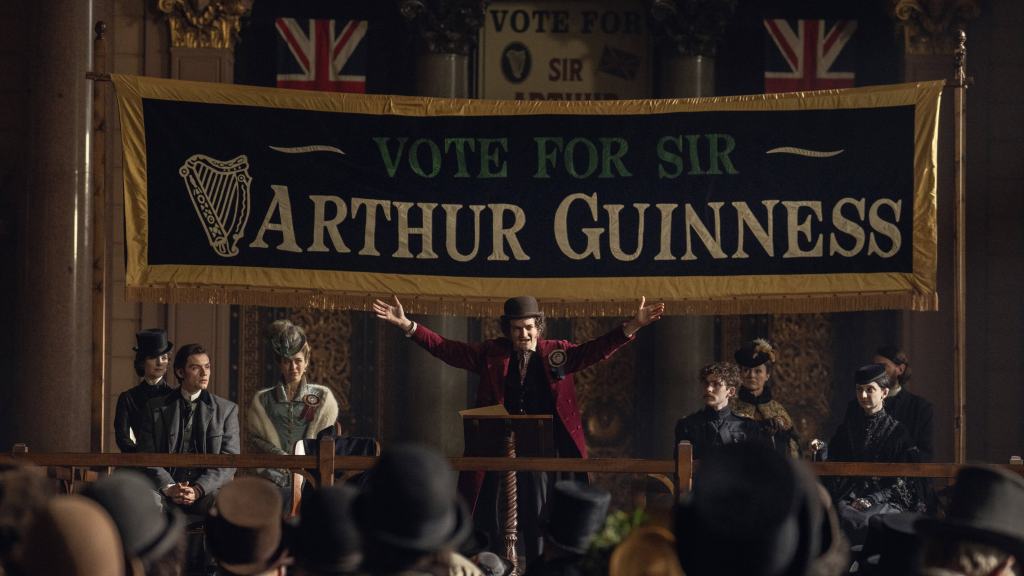
Why the Soundtrack Matters
By refusing to rely solely on orchestral score or strictly period-accurate folk, House of Guinness uses its soundtrack to collapse time. The story is set in 1868, but the music insists that the struggles of identity, loyalty, and resistance are not relics of history. They’re ongoing.
This choice also broadens the show’s reach. Viewers unfamiliar with Irish political history may connect emotionally through music first, recognizing the defiance of Kneecap or the mournful beauty of Lisa O’Neill before diving into the series’ historical detail.

What the House of Guinness Soundtrack Leaves Behind
The House of Guinness soundtrack is as layered as the drama itself. By weaving modern Irish hip hop, folk, classical, and punk into a 19th-century story, it underscores the idea that Ireland’s battles over identity, loyalty, and survival are never confined to one era. The Guinness heirs may be fighting in 1868, but the echoes of that struggle resound in the music of today.

Key Details
House of Guinness premiered on Netflix in September 2025. The historical drama is set in Ireland in 1868 and follows the Guinness heirs after the death of Sir Benjamin Guinness. Season 1 stars Anthony Boyle (Arthur Guinness), Fionn O’Shea (Benjamin Guinness), Emily Fairn (Anne Guinness), Michael McElhatton (John Potter), Danielle Galligan (Lady Olivia Hedges-White), James Norton (Sean Rafferty), Niamh McCormack (Ellen Cochrane), and Seamus O’Hara (Patrick Cochrane). The House of Guinness soundtrack mixes contemporary Irish artists with traditional influences, using music to deepen the series’ atmosphere of rebellion, politics, and cultural identity.

There is a wealth of old Irish music to use for this series.
The rap is spoiling it for me. It is incongruous.
Of course I am an older person.