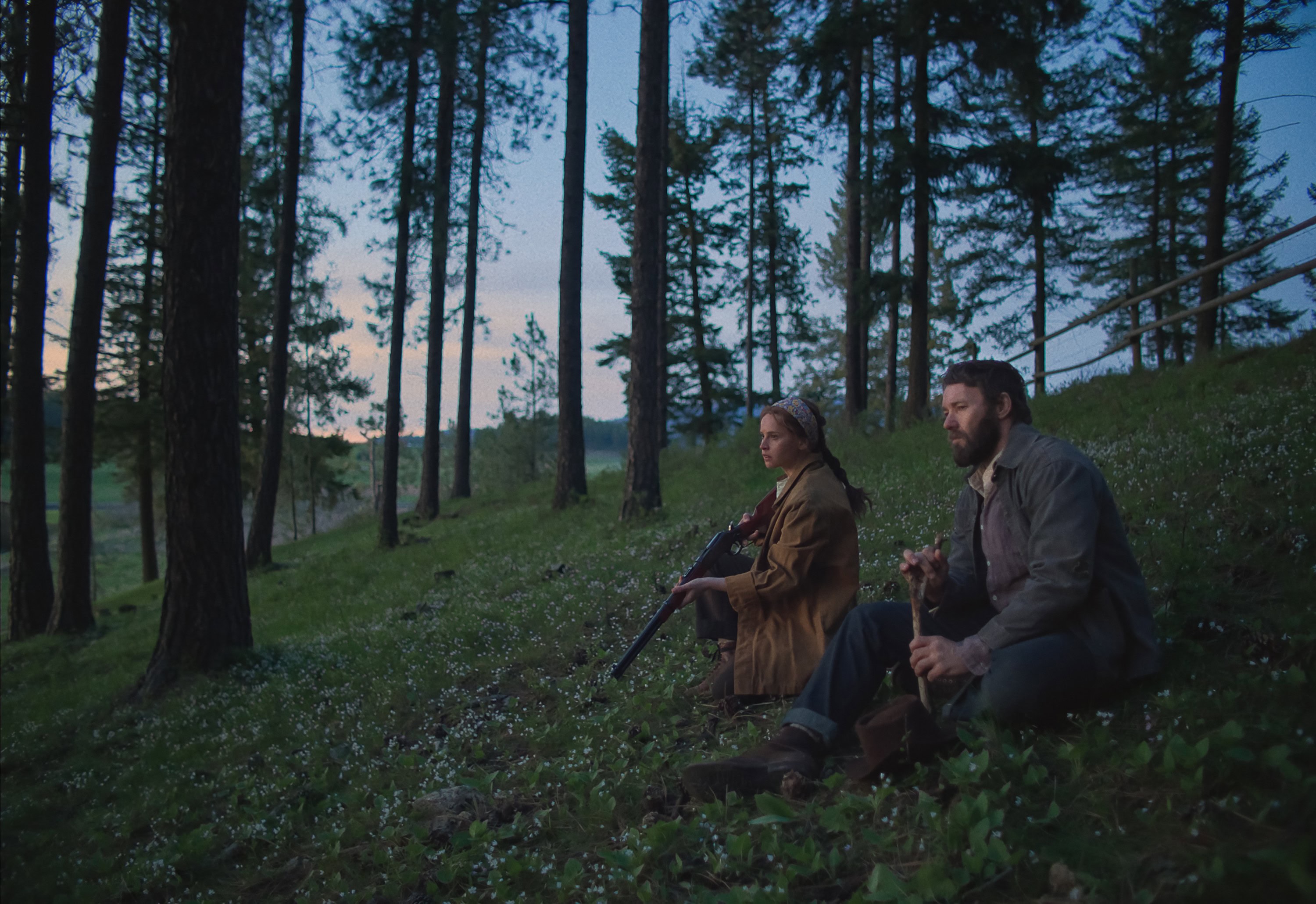
The Train Dreams Netflix movie adapts Denis Johnson’s acclaimed 2011 novella into a frontier drama about an ordinary man whose life is shaped by work, grief, and the passage of time.
Set in the early 1900s across the forests and rail lines of Idaho and the Pacific Northwest, the film follows Robert Grainier from childhood to old age, tracking how one wildfire and one act of cowardice haunt everything that comes after.
Directed by Clint Bentley and written with Greg Kwedar, the Train Dreams Netflix movie stars Joel Edgerton as Robert, with Felicity Jones, Kerry Condon, William H. Macy, and Clifton Collins Jr. in key supporting roles.
Before the Recap, Watch the Trailer

The film is based on Johnson’s novella Train Dreams, published in 2011 and widely regarded as one of his essential works. The book won several major literary prizes and was a finalist for the 2012 Pulitzer Prize for Fiction, in a year when the board chose not to award a winner.
Train Dreams Netflix movie plot recap: Robert’s early life
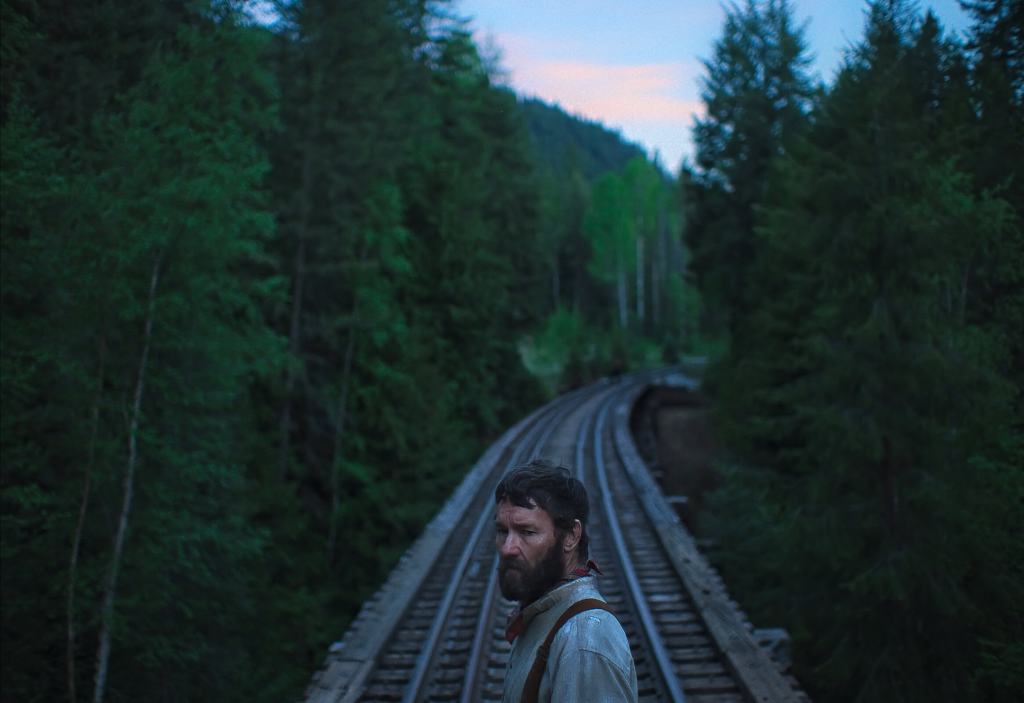
Train Dreams opens with a young Robert Grainier arriving in the Idaho wilderness by train, alone and without clear memories of his parents. He never learns his real birthday or why he was sent away. The early scenes quickly fix him in a specific place: logging camps, small towns like Bonners Ferry, and the deep forests that will define his life.
As a boy, Robert witnesses the brutal deportation of Chinese families from town, an early image of cruelty that he does not fully understand but never forgets. He leaves school in his teens and joins the logging crews, moving from job to job as a laborer on the railroad and in the woods. Work is harsh and repetitive, but it gives him a sense of belonging among men who mostly drift without homes or families.

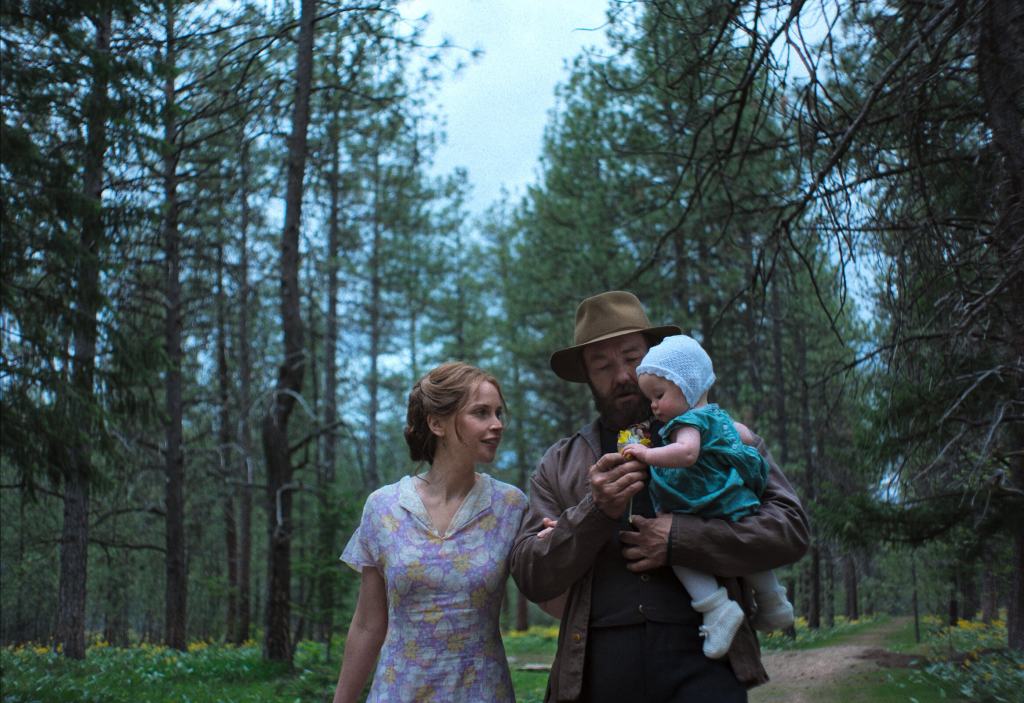
Everything shifts when he meets Gladys at church. She approaches him because she has never seen him before, and their connection is immediate. Within a few months, they are planning a future together: a cabin overlooking the river, chickens in the yard, and a quiet life built with their own hands. They marry, build that cabin, and eventually welcome a daughter, Kate. The film lets these scenes play out in small domestic beats: Robert returning from a season in the woods, surprised at how much Kate has grown; simple dinners; late-night conversations where he worries that his work keeps him a stranger to his own child.
Guilt, Wildfire, and Disappearance
When Robert leaves home for logging seasons, the movie shifts back into the rough world of the camps. He works on the Robinson Bridge for a railway company, alongside men from all over. One day, a group of workers accuse a Chinese coworker of theft. Robert stands nearby as they drag the man to the edge of the bridge and throw him into the gorge.
He does not intervene. That failure becomes the central wound of his life. Robert starts to believe he has been cursed for doing nothing. Nightmares about trains and the dead man begin to follow him, and the image of the fall never really leaves the film.
The job ends, the bridge is completed, and an opening ceremony celebrates the workers’ effort. While the others applaud, Robert thinks only of the man who died. He returns home, where Glattis proudly shows him how much Kate has grown. For a short time, his world is small and stable again.
Money, though, keeps pulling him back to the forest. Logging accidents and deaths pile up around him. The film shows boots nailed into trunks as makeshift memorials for the men who never came back. Those losses sharpen his awareness that he has a family waiting for him and cannot afford more risk, but local work pays too little. After months of trying to stay close to home, he decides on one last big season away so he can save enough to build a small sawmill and farm.
On his journey back, he falls asleep on the train and wakes to chaos. Smoke fills the horizon. When he reaches his stop, the town is in panic. A massive wildfire has swept through the valley and into the forest. Robert runs toward his land, pushing through smoke and heat, but the flames are too strong. When the fire passes, his cabin is gone, reduced to ash. There is no trace of Gladys or Kate.
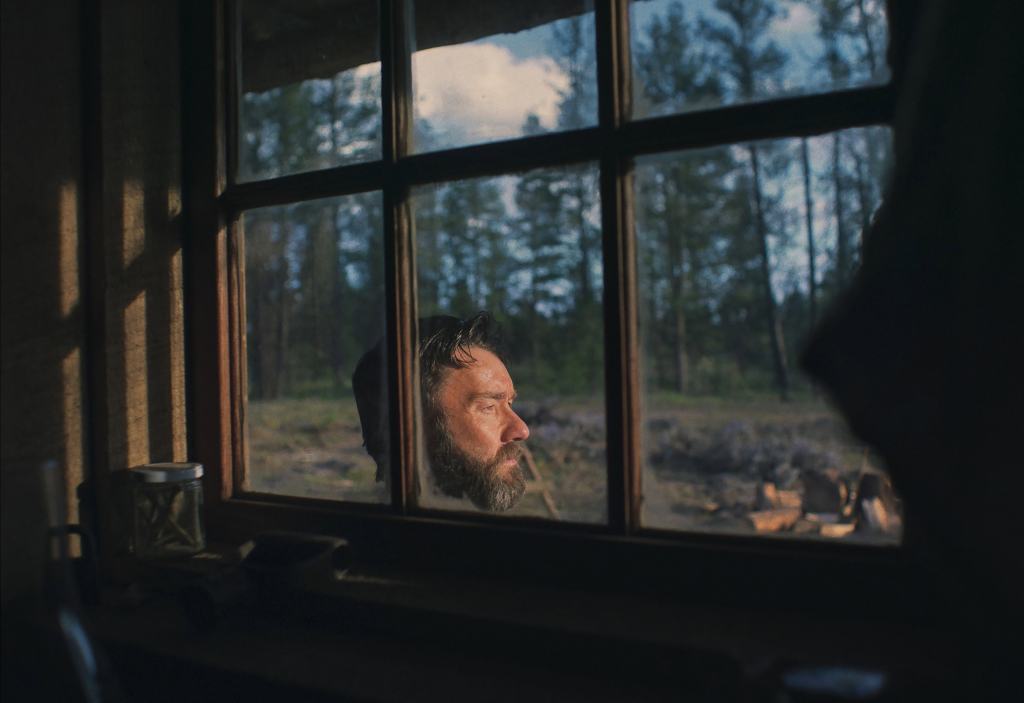
The movie stays with his search. For weeks, he walks through nearby towns and burned-out clearings, asking if anyone has seen his wife and child. No one has. There are no bodies, no answers, only absence. Eventually, he returns to his land and waits, clinging to the idea that if they come back, they should find him there.

Years of Waiting and a Quiet Ending
Robert rebuilds a small cabin on the same spot. This period is one of quiet survival. He takes whatever jobs he can, adopts a stray dog and her puppies, and tries to live inside a routine that keeps despair at bay. The burned forest slowly greens over again, but he remains fixed in place, afraid to leave in case his family returns.
Over the years, Robert has moved entirely out of logging. He buys horses and a wagon and starts hauling goods and passengers. The world changes around him: cars and radios arrive, then the moon landing plays on screens far from his cabin. The movie leans into this contrast. Robert’s physical world remains small, but history moves fast in the background.
One of the film’s most striking late passages comes when a young, injured girl appears outside his cabin. Robert treats her leg and speaks to her with the tenderness of a father who has rehearsed this moment for years. To him, she is Kate returned. In the morning, she is gone without a trace. The movie leaves this sequence unresolved, suspended between dream, ghost story, and grief. It feels like his mind is giving him the goodbye he never had.
In his final years, Robert travels a bit more, talks with people who barely understand the depth of what he has lived through, and slowly comes to terms with the fact that life has carried on without him. The movie closes with his quiet death in 1968, alone in his cabin, the forest standing around him as the last constant in a life marked by loss.
The Poster