Rom-com fans, I think we may have found the streaming romance of the year.
As an avid reader and an Ali Hazelwood fan, I went into The Love Hypothesis with expectations. Book adaptations can go wrong in so many ways, especially with romance, where getting the story right isn’t enough if you lose the characters or the chemistry that made readers fall for them.
The Love Hypothesis gets it.
Lili Reinhart is simply amazing as Olive Smith. Tom Bateman is our Adam Carlsen. Put them together, and the chemistry is there from the awkward and funny moments all the way to the romance and the much spicier hotel room.
Yes, this is fake dating. Yes, you know where this is going almost from the moment Olive panics and kisses the first man she sees to convince her best friend that she has moved on from her crush. The movie isn’t trying to hide its destination. I didn’t need it to.
There is something lovely about watching a rom-com that knows exactly what it is, gives you two leads you want to spend time with, and delivers on the romance you’re waiting for.
Lili Reinhart and Tom Bateman Make the Fake Dating Impossible Not to Love
Reinhart feels completely right as Olive.
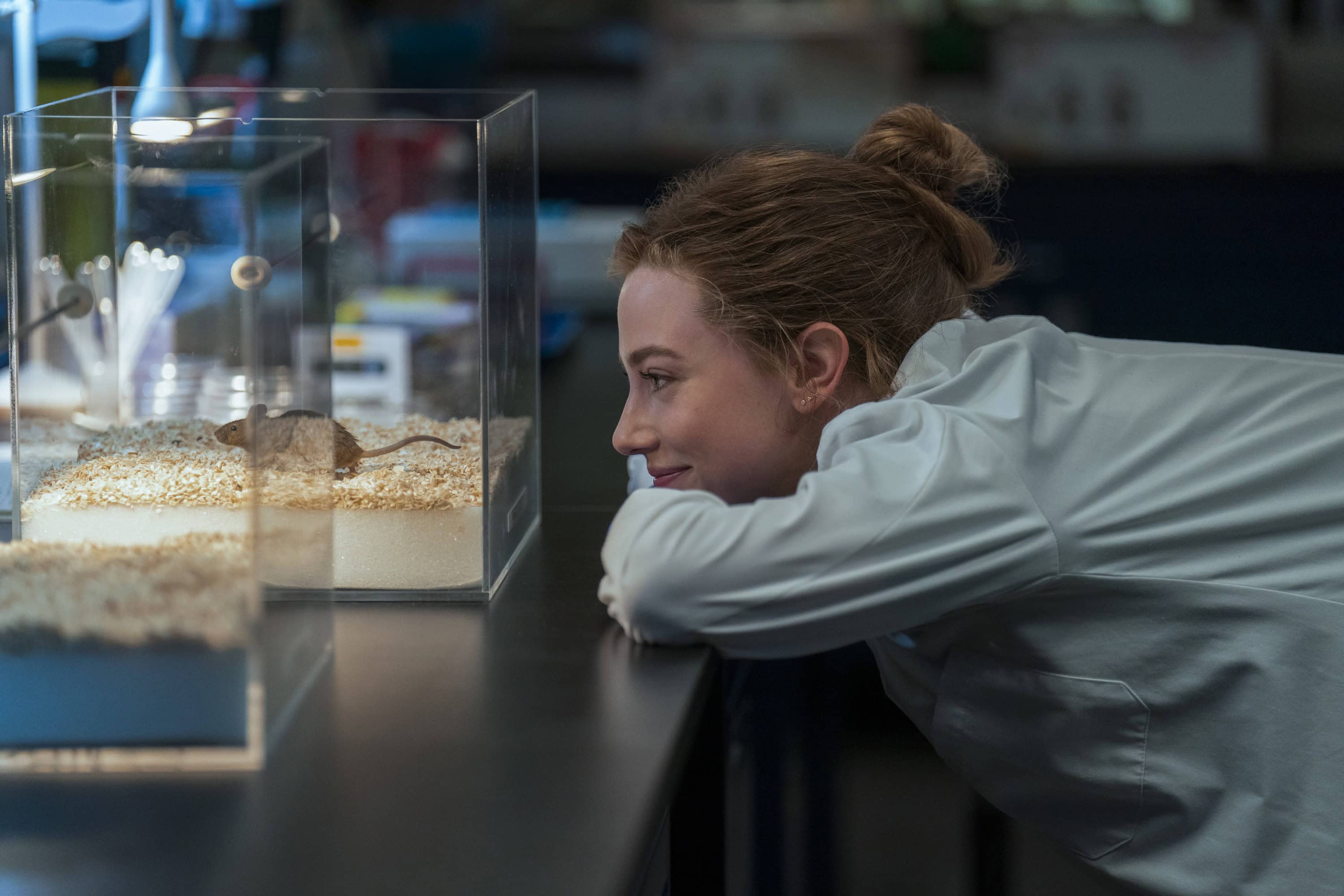
Olive can stand in a lab and be incredibly bold about her work, then become insecure and awkward the moment the conversation turns toward herself. She is brilliant without always believing she belongs among the brilliant people around her. She is introverted, fiercely loyal to the people she loves, and capable of getting herself into some very funny situations because she thinks she is solving a problem. Reinhart understands all of that.
Frankly, you can see how much she wanted to adapt this book. There is an affection for Olive in the performance that comes through in the little moments as much as the bigger emotional scenes ,and she is funny.
The comedy was one of my favorite parts of the movie, especially when Reinhart and Bateman get to play off each other. The flu-shot scene is probably the easiest example. Adam Carlsen has built this terrifying reputation around Stanford, yet Olive discovers this giant, intimidating professor is afraid of a needle and ends up holding his hand through it.
The sunscreen scene has the same appeal. Adam isn’t particularly smooth in these situations, Olive can be wonderfully awkward herself, and Reinhart and Bateman are very good at letting that awkwardness turn into chemistry.
Bateman, meanwhile, gave me the Adam I wanted.
He has the intimidating presence Adam needs at Stanford, where students have essentially turned him into Dr. Evil, without making him so cold that you wonder why Olive would ever fall for him. As the movie goes on, the difference between the Adam everyone talks about and the Adam Olive knows becomes increasingly obvious.
He listens to her, he supports her research, he notices her ridiculous coffee orders. He helps her prepare for the conference. When her confidence takes a hit, he is often the person reminding her that she belongs in the room.
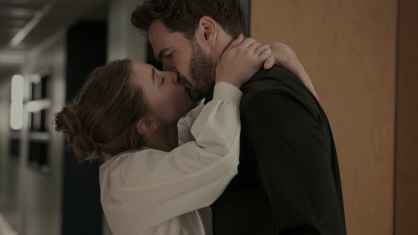
Bateman and Reinhart simply work together. That chemistry has to carry a huge part of a fake-dating movie because we already know the experiment is doomed. Of course they’re going to develop real feelings. Of course the fake kisses will stop feeling fake.
Knowing that doesn’t make watching it happen any less enjoyable.

The Fake-Dating Trope Gives the Movie Some of Its Funniest Moments
The setup itself is ridiculous in exactly the way I want a rom-com setup to be.
Olive has a crush on Jeremy, Jeremy likes Anh, Anh likes Jeremy but refuses to date him because she thinks Olive still has feelings for him. Olive decides the logical solution is to pretend she has already moved on.
Then Anh appears while Olive is in the lab, and Olive kisses the first available man; unfortunately for her, that man is Dr. Adam Carlsen.
From there, the movie has everything it needs to turn Olive’s terrible decision into an actual relationship. Adam has his own reason for agreeing to the arrangement because Stanford wants reassurance that he isn’t leaving for Harvard, while Olive needs Anh to believe she is genuinely dating someone else.
It’s an obviously manufactured rom-com situation, and I loved it. The fake relationship creates the awkward comedy at the beginning, but it also gives Olive and Adam reasons to keep finding themselves together until being together stops feeling unusual.
Eventually, you aren’t waiting for them to realize they have chemistry. You’re waiting for them to admit something everyone else can already see.
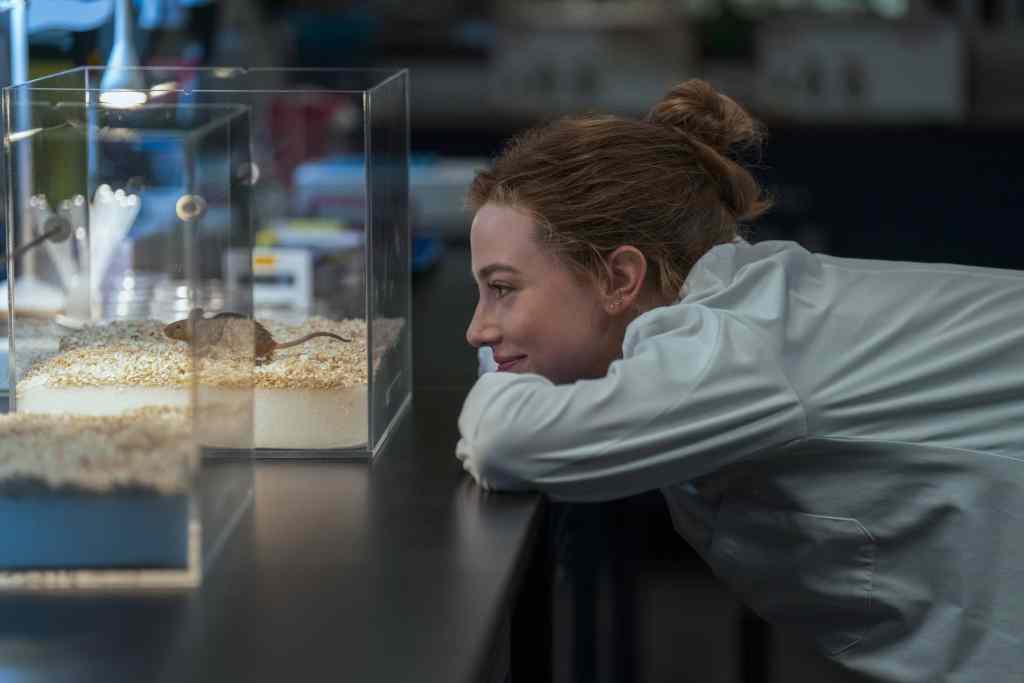
Olive Smith Has More to Fight for Than Adam
One of the reasons I liked Olive so much is that her life doesn’t begin and end with the romance. Her work matters enormously to her.
Olive lost her mother to pancreatic cancer when she was 15, and her research is deeply connected to that loss. She never knew her father and went into foster care after her mother’s death. Anh and her family eventually became the family Olive had been missing. It explains quite a lot about her.
Olive can be bold when she’s defending her science and surprisingly insecure when she has to defend herself. She is so used to protecting the people she loves that she sometimes makes decisions for them instead of trusting them to make those decisions themselves.
We see it immediately with Anh. The entire fake-dating experiment begins because Olive doesn’t want her best friend to sacrifice a relationship for her. That instinct doesn’t disappear once Adam enters the picture.
What I particularly liked is that the movie allows Olive’s professional story to have its own payoff. Her future doesn’t become a prize she receives because Adam loves her. When Tom Benton threatens both her career and her research, Olive eventually turns to Anh and Dr. Aslan, finds another way forward, and keeps working.
Her experiment succeeds. She gets the funding and lab space she needs. The romance matters, but Olive finding confidence in herself matters just as much, if not more.
By the time the movie jumps ahead two years and shows us Dr. Olive Smith intimidating a new generation of students, there is something very funny about how far she has come. She spent so much of the movie telling Adam to be nicer to his students, and now she’s apparently developing a reputation of her own.
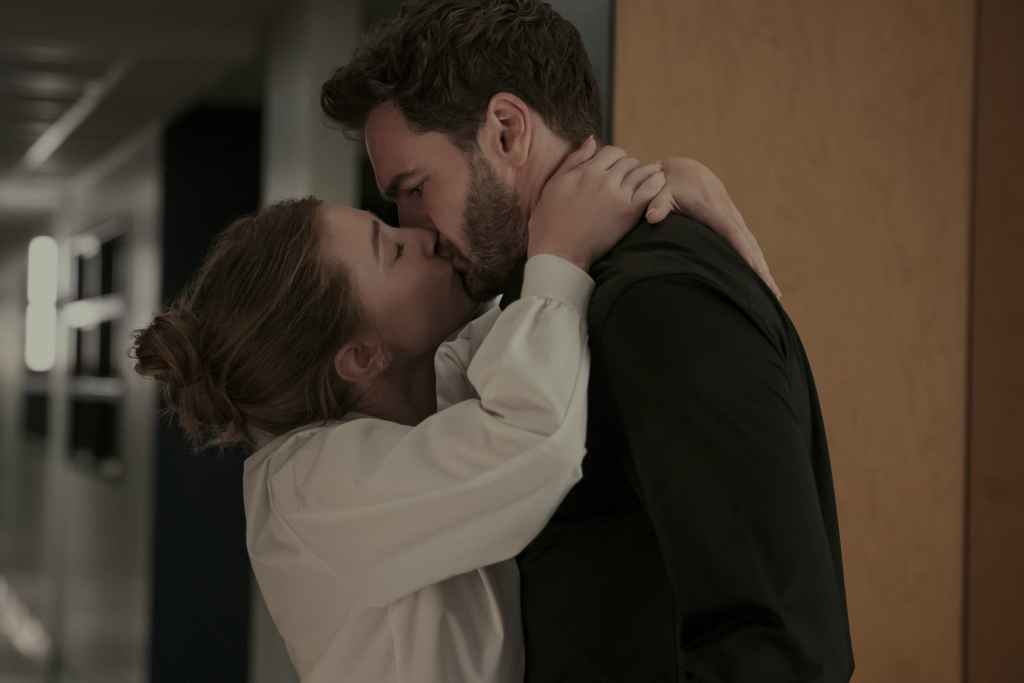
The Hotel Room Delivers the Romantic Payoff
And yes, we need to talk about the hotel room.
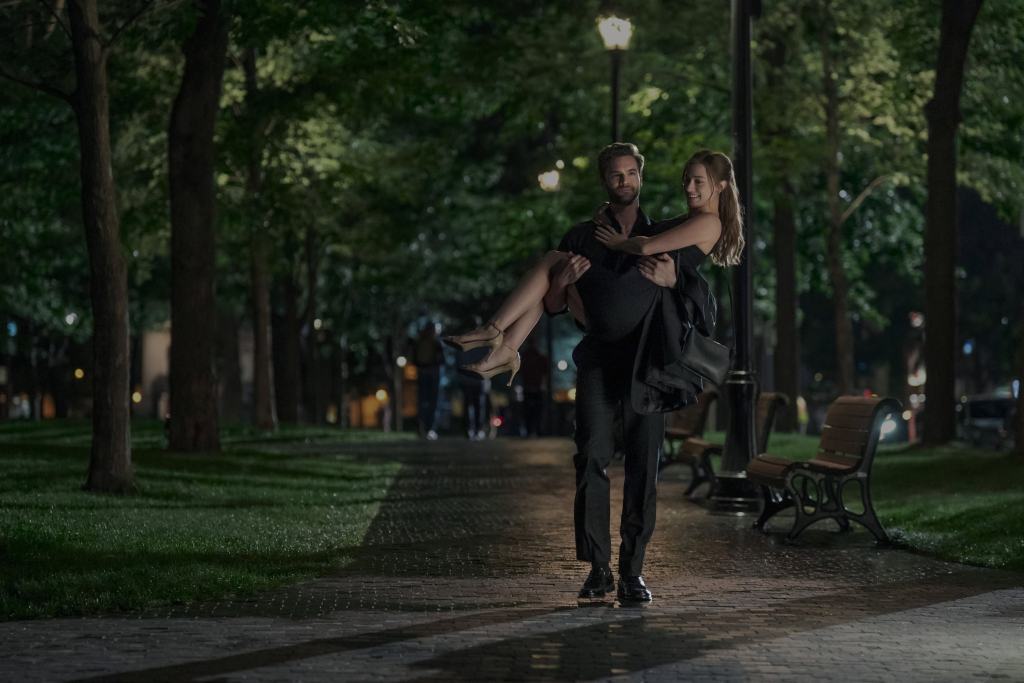
The conference is where the movie finally stops teasing what has been obvious between Olive and Adam for a while. After her successful presentation, which is followed by some particularly cruel comments about whether she earned her place there, Adam gets her away from the conference, reassures her about her work, takes her to dinner, and eventually carries her back when her heels become too painful.
By the time they reach the room, the chemistry has had plenty of time to build.
The love scene is spicy, but that’s not the only reason it works. Olive makes the first move. Adam actually stops her because sex was never part of their agreement and, as far as he knows, she still has feelings for someone else. He needs to know that this is what Olive wants before anything happens. Then she finally tells him that her feelings are for him.
For a romance that has spent so much time watching two intelligent people completely fail to understand their own experiment, there needed to be a real payoff when they finally stopped pretending. The movie gives them one.
It also doesn’t become strangely shy about their physical relationship. Romance novels can build attraction and intimacy for hundreds of pages, and those love scenes can be part of what readers have been waiting for. When they are adapted for the screen, removing that completely can make the romantic payoff feel different.
The Love Hypothesis lets Olive and Adam be sweet, awkward, funny, and passionate. For readers of Hazelwood’s novel, that feels right.
This Is an Adaptation That Understands What Readers Actually Loved
I’ve gone much deeper into the differences between Hazelwood’s novel and the movie in our Book vs. Movie comparison, because there are considerably more changes here than I initially realized.
The movie removes characters. It changes storylines. It compresses Olive and Adam’s fake relationship and significantly rewrites parts of the final act. Yet while I was watching, I wasn’t sitting there thinking about everything that had disappeared.
I was recognizing elements: the expired contacts, the ridiculous first kiss, Adam’s reputation, Olive’s sugary drinks, the sunscreen, the flu shot, two beds at the hotel. Adam carrying Olive when her heels hurt, Olive making the first move, Adam making sure she really wants him, even the Type I and Type II errors survive long enough to become part of their eventual confession.
Those details are important because they are tied to the characters. An adaptation doesn’t have to reproduce every scene in exactly the same order to make me feel like the people I read about are standing on the screen. Reinhart and Bateman gave me that feeling with Olive and Adam.
I could absolutely point to things from the book I wish had survived. I would have loved the novel’s wonderfully romantic full-circle ending, for example, but I never felt as though the movie had misunderstood the book it was adapting. For me, that is much more important.
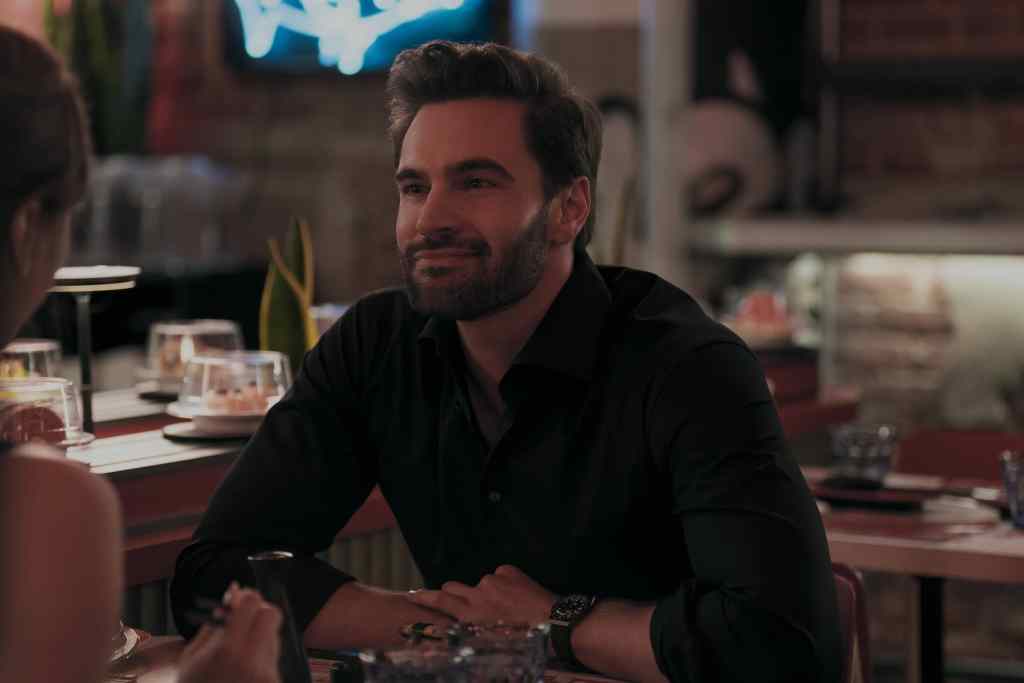
My Biggest Complaint? I Wanted More Time With Them
This may have been the rare occasion when I would happily have accepted an even longer movie.
At roughly 140 minutes, The Love Hypothesis is hardly short already. I don’t think it needed another major storyline or more plot. I just wanted a little more time with these characters.
More of Olive and Adam once their relationship starts changing. More of the small comedy between them. More time for the friendships around them.
Maybe that’s partly the reader in me talking. A novel naturally gives you far longer with its characters than a movie ever can, and some of the cuddly time together has to disappear when that story is compressed for the screen.
Still, reaching the end of a movie and wishing I could stay with its characters a little longer isn’t exactly the worst problem for a rom-com to have.
The Standout
Lili Reinhart as Olive Smith.
Reinhart gets both sides of Olive: the scientist who can fight for her work and the much less confident woman trying to figure out relationships, friendship, and where she belongs. She’s also genuinely funny, especially when Olive’s awkwardness collides with Adam’s much more serious personality.
The Final Take
The Love Hypothesis gave me what I wanted from this adaptation.
Lili Reinhart feels like Olive. Tom Bateman feels like Adam. Their chemistry carries the fake-dating premise from its ridiculous beginning through the funny little moments, the romance, and finally the hotel room.
You know where this relationship is going, but I didn’t care.
As an Ali Hazelwood reader, I can see plenty of places where the movie changed the book. As a rom-com fan, I can also see why many of those choices were made. More importantly, the movie kept the characters and the relationship I wanted to recognize.
And after spending roughly 140 minutes with Olive and Adam, my biggest complaint was that I would have happily spent a little longer with them.
In fact, I already know I’m going to watch The Love Hypothesis again. Next time, though, it won’t be for a review. It’ll just be for me.
I think that says everything about how much I loved this movie.