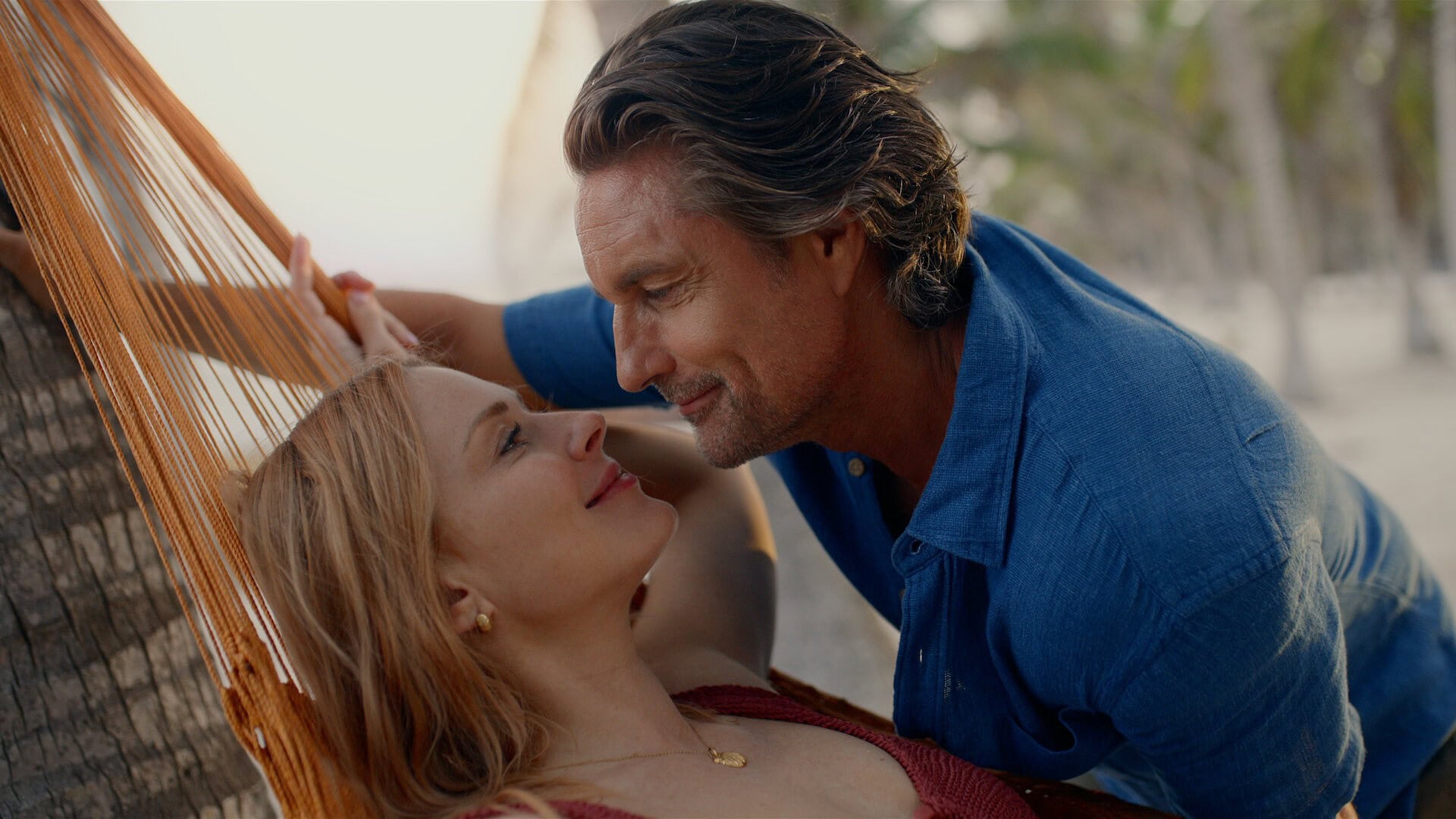
Virgin River has always been the television equivalent of a warm blanket, but in its seventh season, that blanket is starting to fray at the edges, specifically where the leads are concerned. As the series navigates the fallout of Season 6, it presents a jarring dichotomy: a supporting ensemble revitalized by fresh, sharp writing, and a central romance that feels increasingly trapped in a loop of recycled gestures and stagnant drama.
The Ensemble Renaissance
There is a noticeable freshness in the writing for the Virgin River supporting cast this year, a feat rarely achieved seven seasons in. The dynamic between Kaia and Brady, an “adrenaline junkie” and a man seeking legitimate redemption, is the friendship the series didn’t know it needed. Their shared brush with mortality in the Yosemite fire brings a much-needed grit to the valley. Similarly, the friendship between Kaia and Ben and the evolution of the sewing club’s involvement in Preacher’s life suggest that the writers are finding new ways to utilize the “village.”
The most compelling shifts come from the veterans. The complex, witty banter among Hope, Doc, and Roland adds emotional maturity to the central romance, which currently lacks it. Even Mike and Victoria’s burgeoning relationship feels earned, moving away from the “cowboy effect” that is saturating Netflix’s romantic roster.

It would be an oversight not to mention the heavy lifting done by Sarah Dugdale and Kai Bradbury this season. Dugdale, in particular, delivers a raw, visceral performance as Lizzie navigates a harrowing postpartum anxiety diagnosis. She manages to portray the hyper-vigilance and suffocating fear of the condition without veering into melodrama, grounded by Bradbury’s steady, empathetic presence as Denny. Together, they provide the season’s most authentic depiction of the “village” coming together to support one of its own.
John Allen Nelson deserves recognition. His portrayal of Everett has quietly become one of the season’s most reliable pleasures, and it raises a pointed question: why isn’t he given more to do? As the ensemble continues to grow in confidence and complexity, Nelson’s expanded presence in the town’s fabric feels less like a wish and more like an obvious next step the writers have yet to take.
The Jack Sheridan Problem
The frustration this season lies squarely with Jack Sheridan. While his trademark positivity has served the show well in the past, it has devolved into a reckless lack of rationality. In Episode 4, as the couple prepares for a life-altering home study, Jack impulsively buys tractors for a “community farm” he has no experience running.
There is a glaring hypocrisy in his “double man” act this year. He flatly rejects Preacher’s desire for a restaurant expansion, clinging to the bar he built with his own hands. Yet, in the same breath, he expects Mel to sign off on a massive agricultural pivot during a medical malpractice crisis. It isn’t a “balance” of personalities anymore; it’s Jack living in a fantasy world while Mel carries the burden of reality.
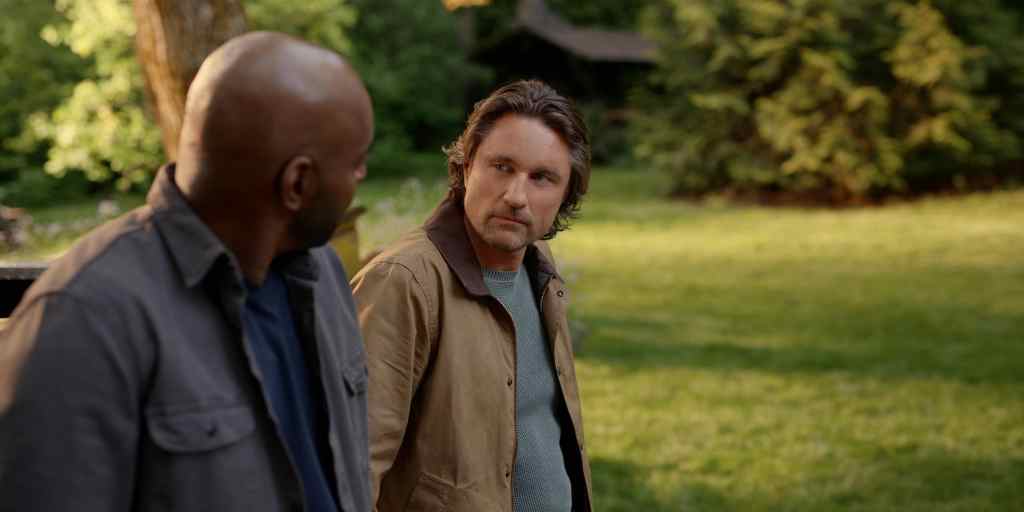
Recycled Romance and “The Whisper”
Mel and Jack have officially hit a narrative wall. The back-and-forth regarding Marley’s adoption, deciding to proceed, backing out, and re-committing, occurs multiple times in the first five episodes alone. The problem isn’t just that it’s repetitive; it’s that the repetition has drained the storyline of all tension. When a couple changes their mind every episode, the audience stops feeling the weight of the decision because experience tells them it will reverse again within twenty minutes.
It’s worth noting that the entire Season 7 timeline spans roughly three weeks following the wedding. Newlywed sweetness is not only earned here, but it’s also expected. The issue isn’t the presence of tender, cheesy moments between a newly married couple. The issue is the absence of any new invention. The same gazes, the same gestures, the same cadence of reassurance: none of it has evolved; it feels performative rather than organic. Virgin River has always operated on a slow internal clock, but seven seasons in, that pace has calcified the central relationship into something that feels more like repetition than romance.
Martin Henderson’s choice to whisper through every emotional, dramatic, and even casual scene has become a distracting production quirk that compounds the problem. When the rest of the ensemble is operating at a normal register, the constant “romantic whispering” feels less like intimacy and more like a stylistic tic, one that, by Season 7, complicates rather than deepens a scene’s emotional clarity.

A Farewell Deserved: The Charmaine Question
Lauren Hammersley spent seven seasons playing Charmaine, a character the audience was, by design, meant to dislike. Then the writers made an interesting choice, a deliberate rewrite, reportedly shaped in part by Hammersley’s own presence and instincts, gradually transformed Charmaine into something more complicated and, eventually, more sympathetic.
Which makes her Season 7 treatment all the more disappointing. Charmaine’s near-disappearance this year is not without narrative logic; her absence tidied up the Brie and Mike dynamic and gave that couple actual room to breathe, but reducing her to a few seconds of screen time in Episode 8 is a textbook case of narrative ghosting. After seven years of carrying the show’s most heavy-handed plot device, Hammersley deserved a meaningful farewell. Instead, the writers treated her like a loose thread to be snipped rather than a character who had finally earned her place in the “village.”
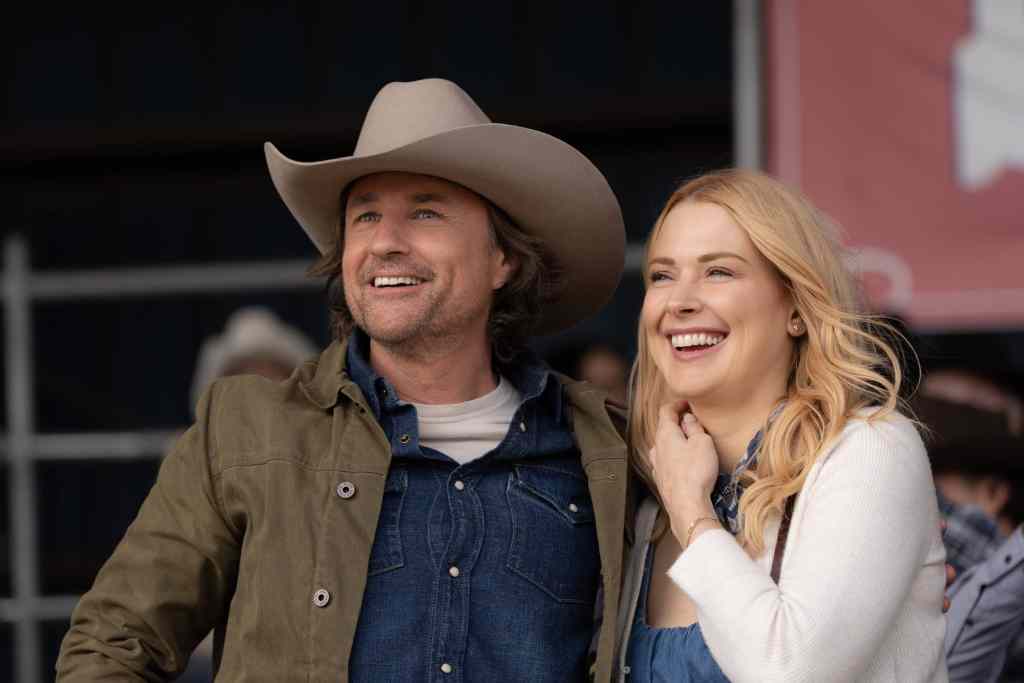
A Bridge Too Far, and a Question About the Future
The finale’s medical cliffhanger, a rare cardiac defect in Mel and Jack’s newborn, tips uncomfortably toward what might be called misery architecture. After years of fertility struggles and compounding crises, saddling the couple with yet another life-threatening obstacle doesn’t read as dramatic urgency; it reads as reflex. There is a version of this storytelling that earns its darkness. This doesn’t feel like that version.
Why did they even need a cliffhanger? A fan who wants to return for Season 8 will return regardless, not because a newborn’s cardiac monitor flatlined in the final minutes, but because this is the show they already chose.

What makes this particularly interesting to consider is the broader structural question Season 7 quietly poses. Mel and Jack are Virgin River; this has always been their story, and the show has stumbled before when it tried to sideline them (Season 5 being the clearest example). But this season, the leads exist in a narrative almost entirely separate from the town around them. Mel shares only a handful of scenes with Brie or Kaia. Jack is rarely at the bar. His scenes with Preacher are brief and few.
With Henderson and Breckenridge’s contracts reportedly up at the end of Season 8, one is left to wonder, cautiously, whether the creative team is hedging. Whether Season 7’s investment in the supporting ensemble is partly an insurance policy: proof of concept that the town of Virgin River can carry a story on its own, should the leads choose not to return in a series-regular capacity. It may be an ungenerous reading. But the question lingers.
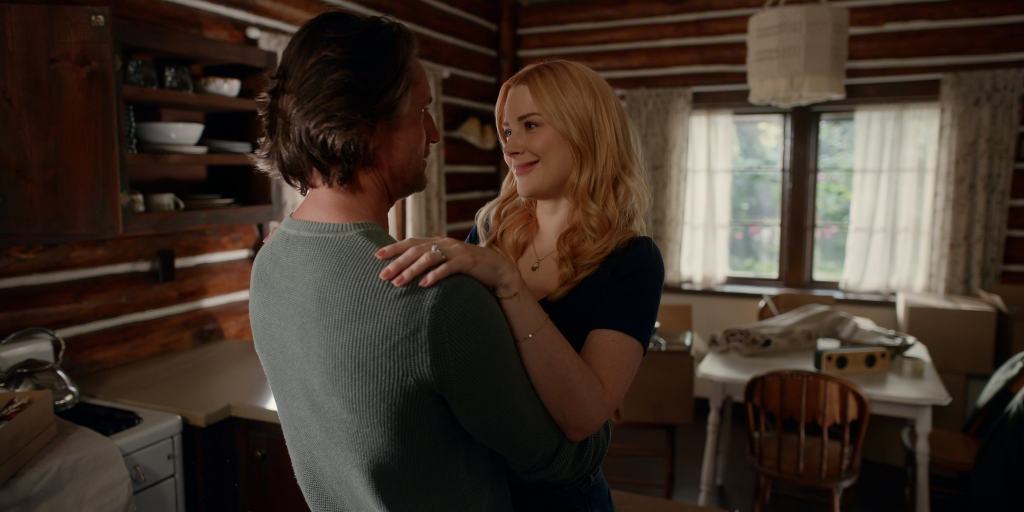
The Verdict
Season 7 of Virgin River is not a bad season of television. It is, in places, one of the more confidently written chapters in the series’ run, just not in the chapters that were supposed to matter most. The supporting cast has never been better. The central romance has rarely felt more stuck. The blanket is still warm. It’s just no longer clear who it’s wrapping around.
That said, I’m aware this may be an ungenerous reading. Virgin River has always known exactly what a portion of its audience came for, and this season, it delivers. Henderson is frequently shirtless, the kissing scenes are plentiful, and fan edits will have no shortage of material. There is nothing wrong with that being enough. It’s just worth noting that the show is capable of more, and increasingly content not to reach for it.