Stranger Things Season 5 Volume 2 arrives with three episodes that are emotionally rich but structurally restrained.
Episodes 5 through 7 focus heavily on relationships, personal reckonings, and long-simmering tensions between characters. In that sense, the volume understands what has always made the show work. At the same time, it feels oddly underwhelming as a narrative bridge to the finale.
This Stranger Things Season 5 Volume 2 review examines why these episodes connect on a human level but struggle to build momentum, urgency, or a sense of escalation ahead of the final chapter.
What Volume 2 Gets Right: Character Comes First
The strongest material in Stranger Things Season 5 Volume 2 comes from its character work. These episodes are at their best when they slow down and allow relationships to breathe.
The conversation between Nancy and Jonathan stands out as one of the most grounded scenes of the season. Rather than forcing a neat resolution, the show lets them confront unresolved feelings, past choices, and the reality of who they are now. Nothing about it feels rushed or overly scripted.

Steve and Dustin’s arc delivers one of Volume 2’s strongest moments. Their confrontation is raw, uncomfortable, and, after the first four episodes, necessary. Dustin’s anger, shaped by Eddie’s death and the fear of losing someone else, finally comes to the surface. Steve doesn’t handle it perfectly, but he shows up in the way that matters. When they come back together later, it reinforces how much that relationship has grown since the early seasons

Lucas and Max’s reunion is one of the moments that actually slows the episode down in a good way. Max waking up and reaching for Lucas is kept simple, without trying to dress it up. The scene works because it leans on what we already know about them and doesn’t push for extra emotion.

Will’s coming-out scene is handled with care, and the performances do most of the work. The moment itself feels sincere, even if its placement in the episode is awkward. It lands emotionally, but it also briefly pulls focus at a point where the story is supposed to be accelerating.
These scenes explain why so many viewers remain attached to Stranger Things. When the show focuses on people rather than mythology, it still excels.

Where Volume 2 Struggles: Structure and Repetition
Despite these emotional highs, Stranger Things Season 5 Volume 2 feels structurally frustrating. The episodes rely heavily on a familiar pattern: a problem emerges, the group explains a plan, someone calls it insane, and then they move forward anyway. This rhythm repeats across episodes and locations with little variation.
There is a noticeable overuse of exposition. Characters frequently explain rules, theories, and mechanics of the Upside Down in long dialogue sequences. These scenes often play out the same way, with overlapping dialogue and shared realizations. Instead of building tension, they flatten it.
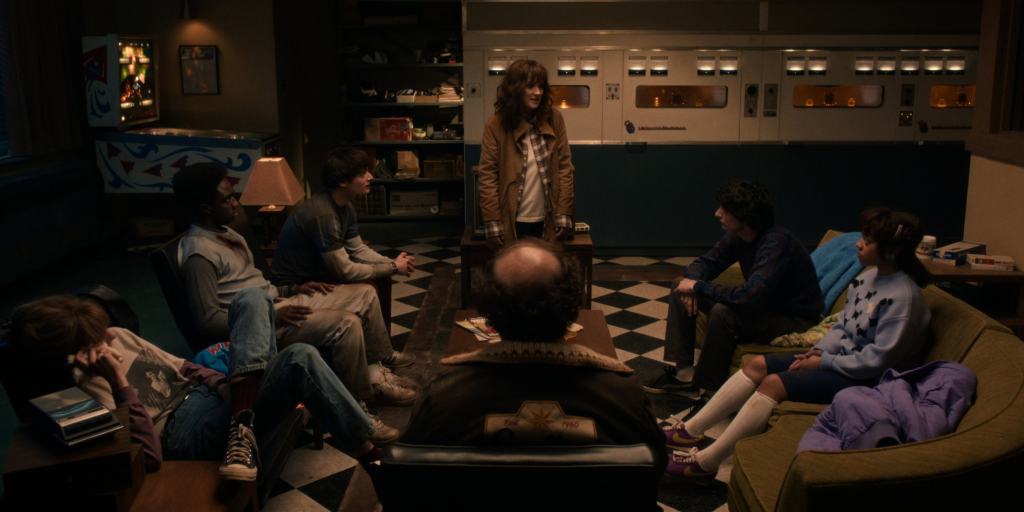
Narratively, Episodes 5 through 7 mirror the structure of Episodes 1 through 4. The plot circles familiar ground rather than advancing it in meaningful ways. Revelations about the Upside Down are significant on paper, but they do not meaningfully change the stakes or the characters’ immediate situation.
The Stakes Problem
One of the biggest issues in this Stranger Things Season 5 Volume 2 is the lack of urgency. The show repeatedly uses language about endgame and final battles, yet the episodes rarely feel like time is running out.
There are no major cliffhangers, no lingering threats left unresolved, and no sense that anyone is truly in imminent danger. The world may be at risk in theory, but the pacing does not reflect that threat. Scenes often pause for explanation or reflection at moments when momentum should be accelerating.
This disconnect makes the volume feel lighter than it should, especially so close to the finale. The danger is described more than it is felt.
A Release Strategy That Amplifies the Issue
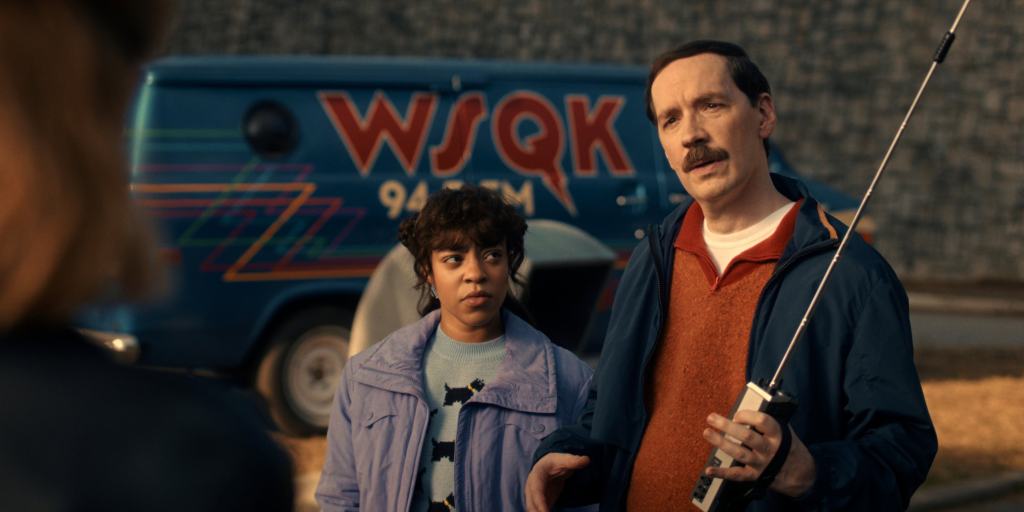
Viewed as a standalone batch, Volume 2 feels incomplete by design. Episode 4 ended with a strong sense of escalation, while Episodes 5 through 7 function primarily as preparation. That gap makes this volume feel like it is stalling rather than building.
The emotional groundwork is valuable, but without corresponding plot movement, the episodes struggle to stand on their own. The result is a batch that feels transitional instead of essential.

Overall Verdict
Stranger Things Season 5 Volume 2 is emotionally strong but structurally frustrating. The character moments are sincere, often beautiful, and at times among the best of the season. At the same time, the lack of narrative progression, repetitive structure, and muted stakes make the volume feel underwhelming as a lead-in to the finale.
These episodes do important emotional work, but they do not move the story forward enough to match the weight of what is meant to come next.
With so much emotional groundwork now in place, the finale carries a heavy responsibility. Volume 2 ends less with momentum than with expectation, leaving the final episode to deliver the urgency, scale, and payoff this middle stretch largely held back. The hope is that the series sticks the landing.

Key Details: Stranger Things 5
- Release plan: Volume 1 on November 26 (4 episodes), Volume 2 on December 25 (3 episodes), Finale on December 31 (1 episode)
- Time: All volumes premiere at 5 PM PT
- Episode count: 8 total
- Cast: Winona Ryder, David Harbour, Millie Bobby Brown, Finn Wolfhard, Gaten Matarazzo, Caleb McLaughlin, Noah Schnapp, Sadie Sink, Natalia Dyer, Charlie Heaton, Joe Keery, Maya Hawke, Priah Ferguson, Brett Gelman, Jamie Campbell Bower, Cara Buono, Amybeth McNulty, Nell Fisher, Jake Connelly, Alex Breaux, Linda Hamilton
- Creators: The Duffer Brothers, produced by Upside Down Pictures & 21 Laps Entertainment
- Source material: Original Netflix series inspired by 1980s sci-fi and horror classics