
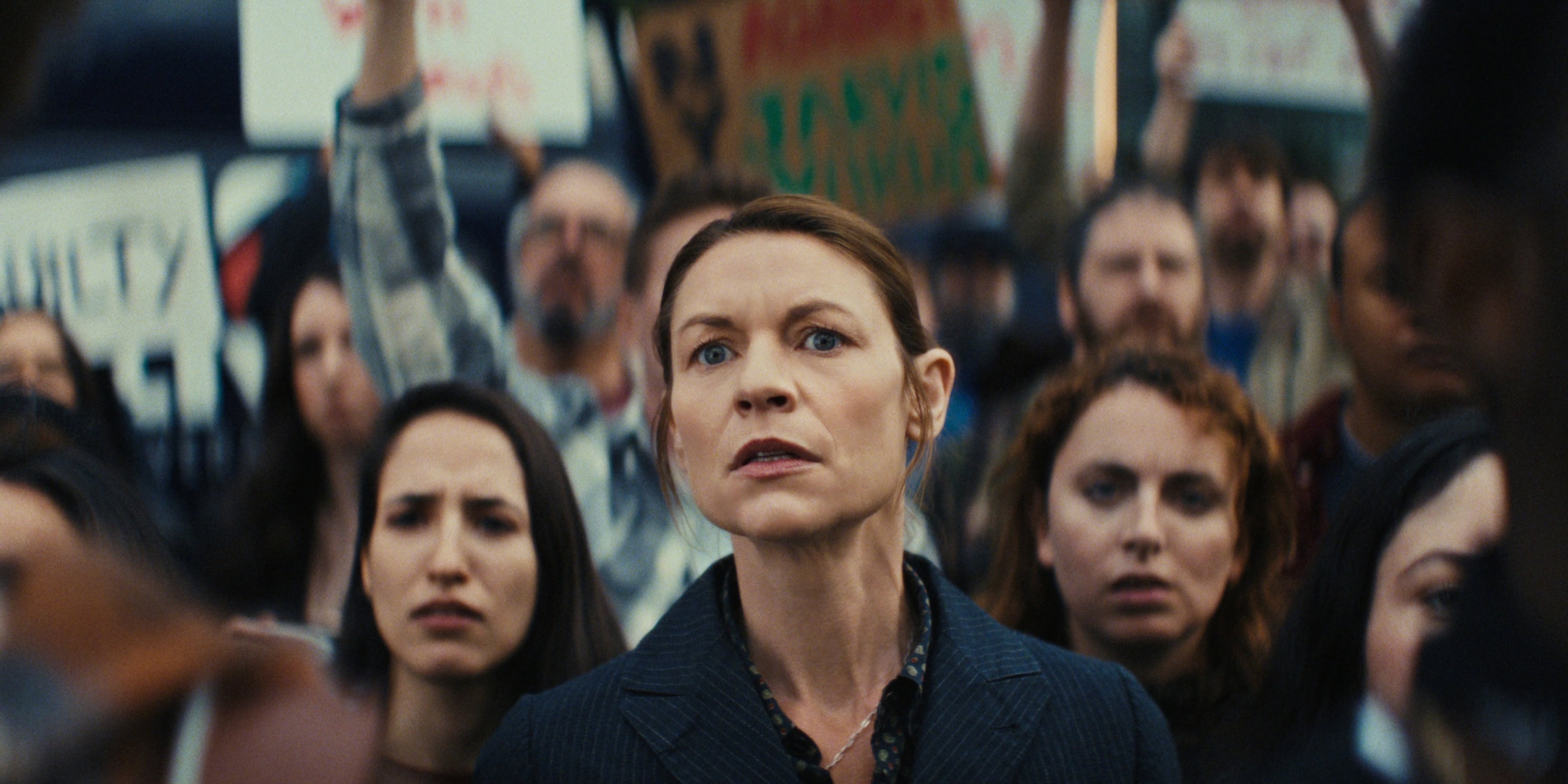
With its missing spouse, buried evidence, and a narrator who keeps questioning her own judgment, it’s natural for viewers to wonder whether The Beast in Me draws from a real case.
The show’s tension around Nile Jarvis and Madison’s disappearance has the kind of details people often associate with true-crime stories, which makes the question feel unavoidable: Is The Beast in Me based on a true story?
The short answer is simple: no, The Beast in Me is not based on a true story.
But the longer answer is what makes it so unsettling.

Why The Beast in Me feels real
The series leans into narrative patterns that echo real high-profile cases without copying any of them. The dynamic between a charming public figure and a partner who suddenly vanishes is familiar because it has appeared again and again in true crime: a spouse missing, a note that doesn’t quite line up, and a man who is either misunderstood or hiding something.
The series builds its tension from ordinary moments, and that’s what makes the later reveals land with more weight. Claire Danes plays Aggie Wiggs with a kind of everyday fatigue that feels real. Her grief, her stalled work, and her habit of digging for answers all register long before the plot turns darker. The realism comes from the way she reacts to the world around her.
Matthew Rhys plays Nile Jarvis in a quieter, more controlled way. He isn’t written as an obvious villain. He’s the sort of man who lives in the space between how he’s seen and who he actually is. The show gives him calm, reasonable lines that people like Aggie might accept at face value, and that’s part of why he feels unsettling.

Common true-crime tropes the series uses
Although The Beast in Me doesn’t adapt any specific case, it pulls from well-known structures:
A missing wife whose story was shaped by others
The public decides what happened to Madison Jarvis before the investigation does. This mirrors many real-life cases where public opinion takes precedence over evidence.
A husband defined by charm and suspicion
Nile fits the pattern of men who are powerful enough to control the narrative until something slips. His version of events is always polished; the truth underneath is not.
A staged version of the past
The suicide note that doesn’t match the timeline echoes real cases where documents or evidence raise more questions than answers.
A final reveal that changes the entire story
The live-feed discovery and the reconstruction of Cooper’s room are fictional, but they echo the way many investigations turn on one piece of evidence that reframes everything.

The creative influences behind the series
Showrunner Howard Gordon and creator Gabe Rotter have built thrillers before. The Beast in Me uses the pacing of prestige dramas (The Night Of, American Rust) combined with the psychological intensity of character-driven mysteries.
The show feels real not because it mirrors a specific case, but because it uses emotions people recognize. Grief affects judgment, family pressure shapes choices, and people rewrite their own stories to live with what they’ve done.
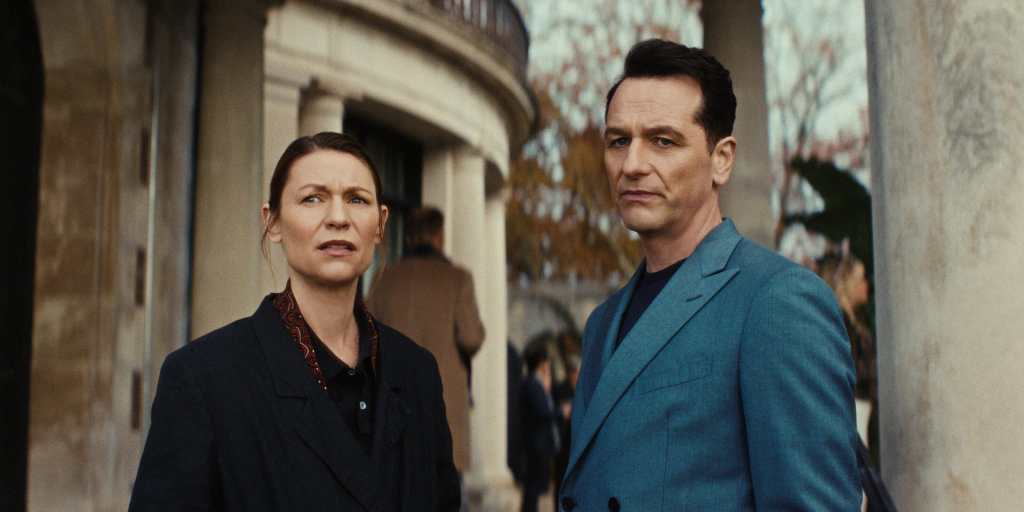
So is Nile Jarvis based on a real person?
No. He’s an amalgam of traits often linked to powerful men in the center of public scandals, not a direct adaptation of any real figure. What makes him convincing is the way Rhys plays him: controlled and quietly dangerous. He’s the type of man audiences recognize, not because he’s real, but because he feels possible.

Final takeaway
The Beast in Me feels like it could be a true story because it understands the rhythms of real cases. It uses familiar patterns without copying any one event, and it leaves enough space for viewers to connect it to things they’ve seen or heard before. Claire Danes and Matthew Rhys play their roles with a kind of everyday tension that makes the story feel close to real life, even though it isn’t based on one specific case.

Key Details
The Beast in Me premiered on Netflix on November 13, 2025. The limited series has 8 episodes and stars Claire Danes as Aggie Wiggs and Matthew Rhys as Nile Jarvis. It is not based on a true story. The series was created by Gabe Rotter, with Howard Gordon as showrunner and Antonio Campos directing. It is produced by 20th Television.
The Poster
