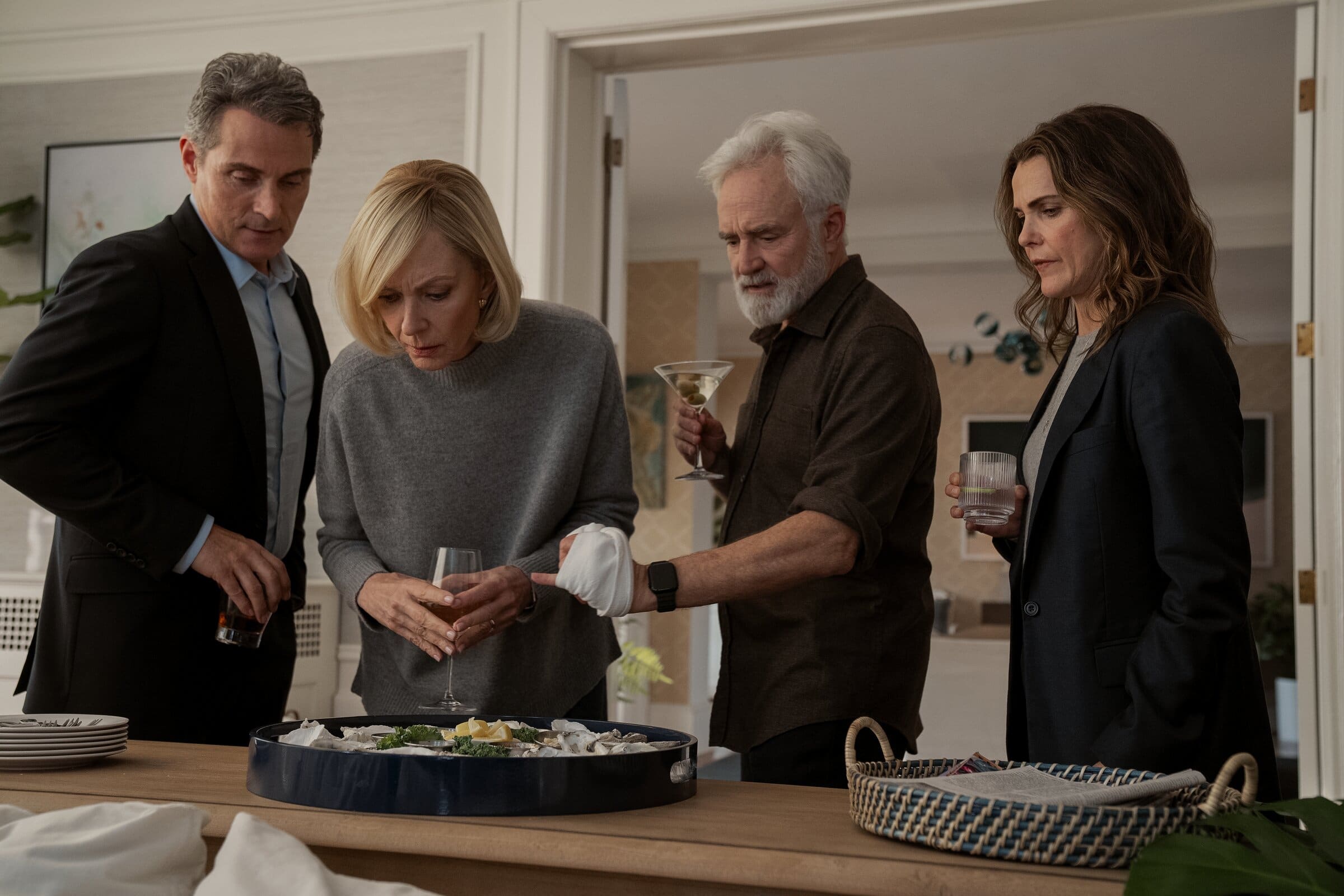
Power doesn’t destroy marriages in The Diplomat; it exposes them.
Season 3 lays bare two unions that sit at the center of the political crisis: Kate and Hal Wyler, and Grace and Todd Penn.
One operates on emotion and instinct, the other on structure and calculation.
Neither is built on trust, but both survive on necessity. Through them, the series shows that the most influential relationships in politics are often the least stable behind closed doors.
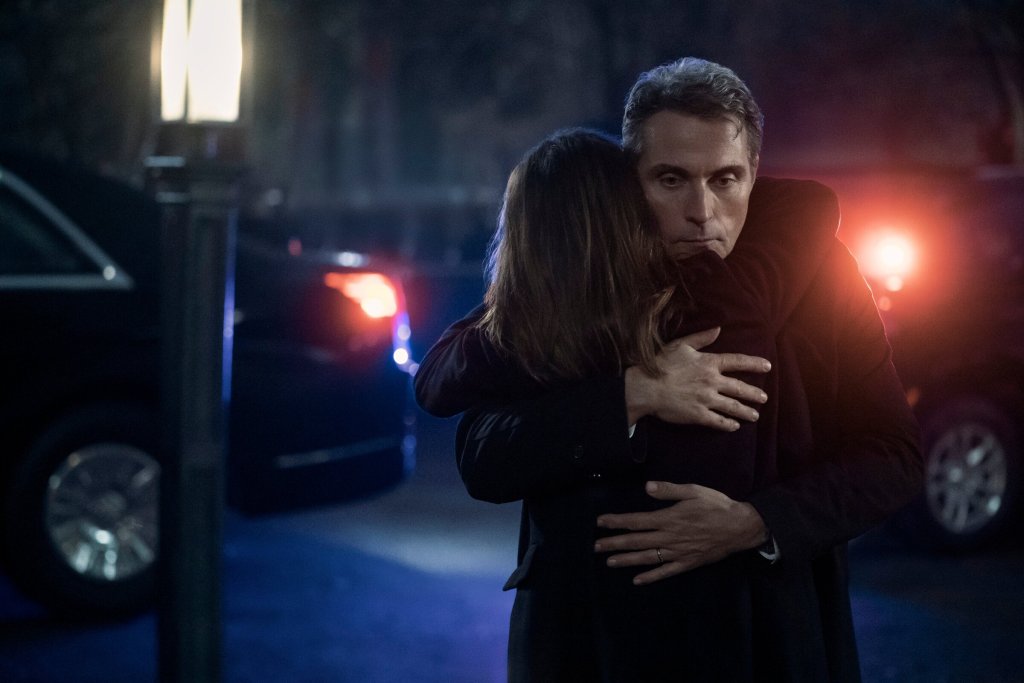
The Wylers: A Marriage That Refuses to End
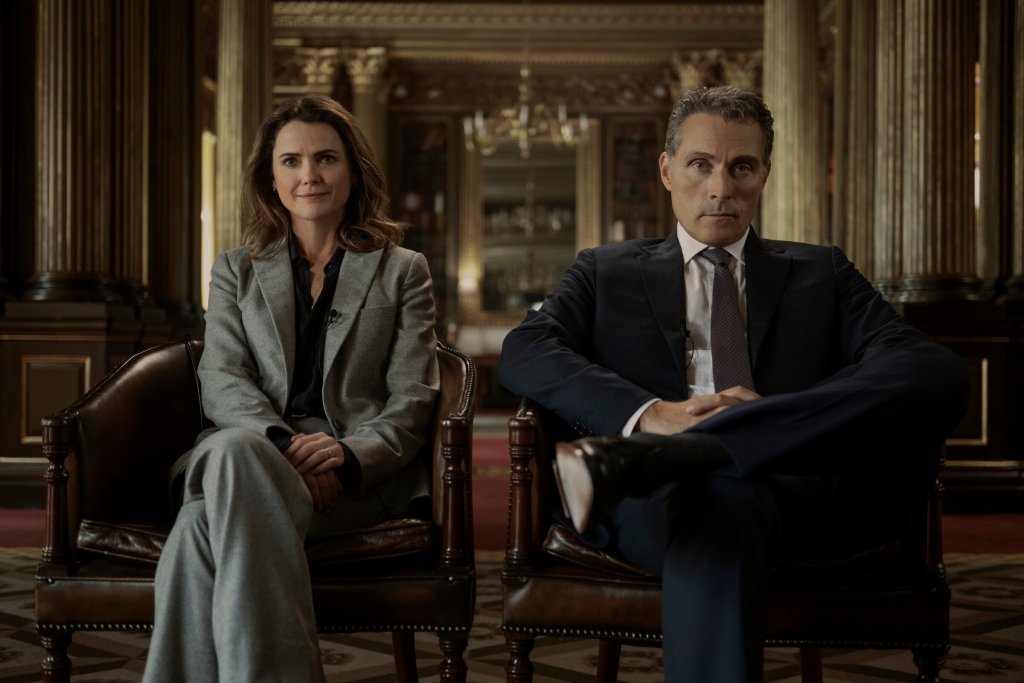
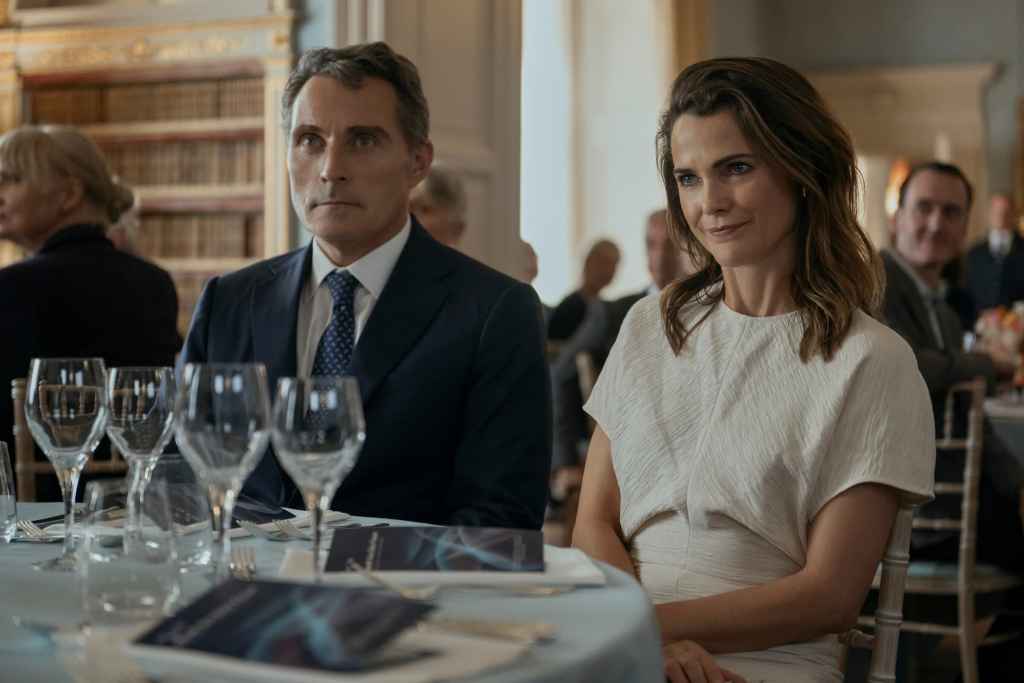
Kate and Hal Wyler function like a diplomatic crisis of their own, with intermittent ceasefires followed by sudden flare-ups. Publicly, they move as a unit. Privately, they have already called the time of death.
As Debora Cahn describes it, they’ve undergone a “divorce of the heart.” They remain tethered not by agreement, but by unfinished business.
Flashbacks remind us their bond wasn’t always fractured. The twist-tie ring Hal gave Kate during their engagement is still in her possession. What began in improvisation hardened into a habit. Hal continues to fight for her career, even as she walks away from him. And yet, every move he makes toward power pulls her further out of herself.
In Season 3, Kate finally does what Hal won’t, she chooses separation over performance. By staying in London as Ambassador, she steps away from his ambition. Five months later, she quietly begins a relationship with MI6 officer Callum Ellis. The emotional cord may remain, but the marriage is now a private archive neither of them can properly close.
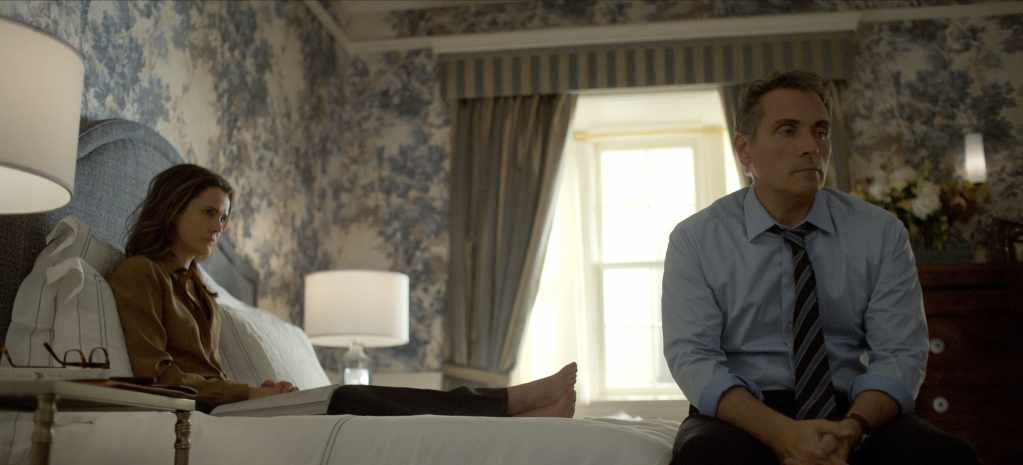
The Penns: A Marriage Built on Control
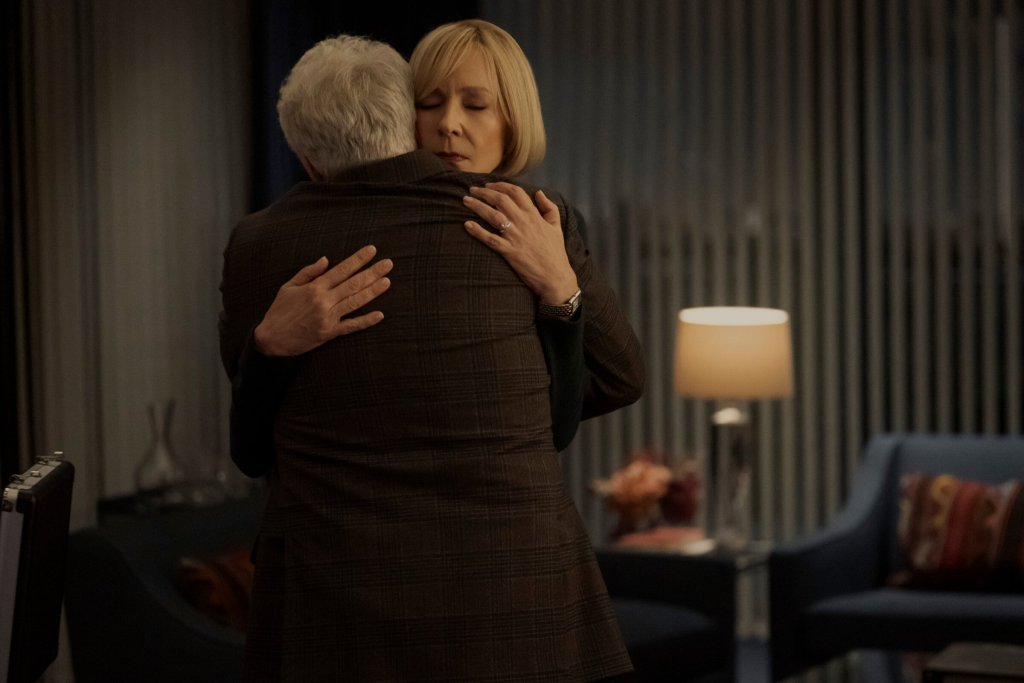
If the Wylers are held together by emotion, the Penns are held together by structure. Grace and Todd Penn have made an agreement; she leads; he recedes.
Their marriage doesn’t storm, it cools. Where Kate and Hal argue, Grace and Todd recalculate.
What makes their dynamic compelling is not passion, but erosion. Todd was sidelined even before the moment Grace stepped into the presidency, his career ruined by the former administration. His discomfort isn’t about infidelity, it’s about relevance. He watches his wife align politically with Hal and wonders where he fits in the administration she now runs.
Allison Janney and Bradley Whitford play them with restraint. There are barely blowups, only glances. It’s a different kind of tension. They don’t break apart. They quietly drift until someone notices.
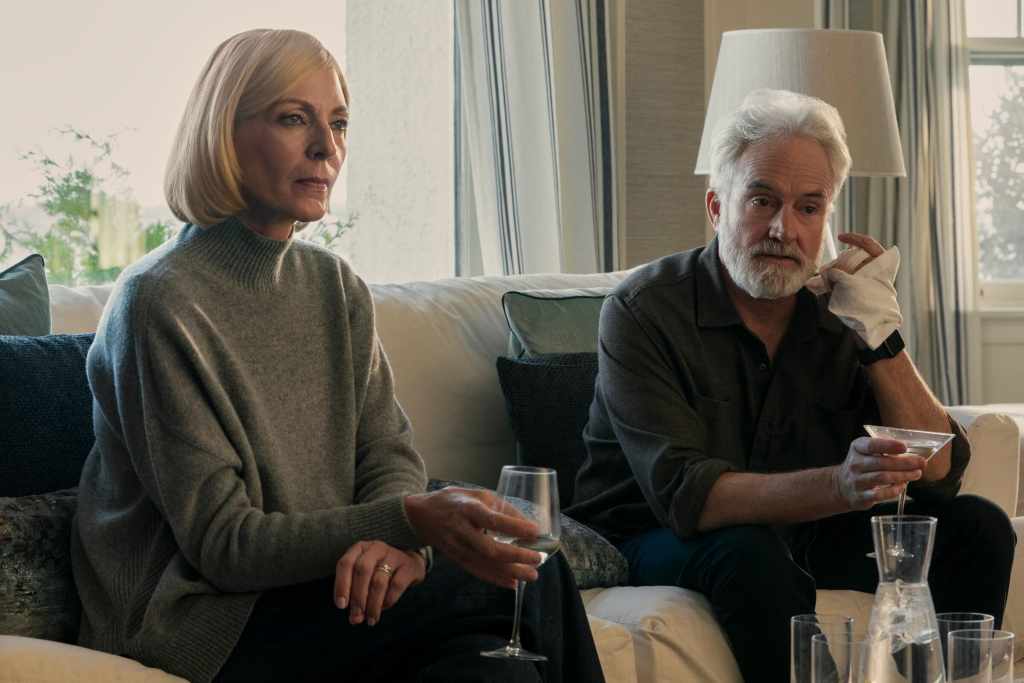
Two Marriages, Two Forms of Survival
Both couples stay together, but for opposite reasons. Kate and Hal can’t let go of what they were. Grace and Todd hold onto what they must appear to be. Neither model offers resolution, only endurance.
The Cost for Kate and Grace
The common thread is sacrifice. Kate loses identity to role, Ambassador turned “Second Lady,” a title she resents. Grace loses intimacy to the office, President first, wife second. Each woman carries a cost her husband does not.
Hal gains power. Todd loses placement. Kate loses herself. Grace loses softness. No one leaves unscarred, and no one walks away.
Why These Marriages Matter for Season 4
Season 4 will not simply continue the political fallout, it will test these marriages against the consequences of their choices. Kate reconciled emotionally with Hal in Season 3, but now knows he and Grace kept the ultimate deception from her: the U.S. seized Poseidon. She wasn’t a partner. She was a cover.
Meanwhile, Todd has begun to understand what Hal represents, not a rival for affection, but someone who understands Grace politically in a way he never can.
Both marriages now face the same question: What remains when loyalty is no longer mutual?
In The Diplomat, marriage isn’t an escape from power; it is its most intimate battlefield.