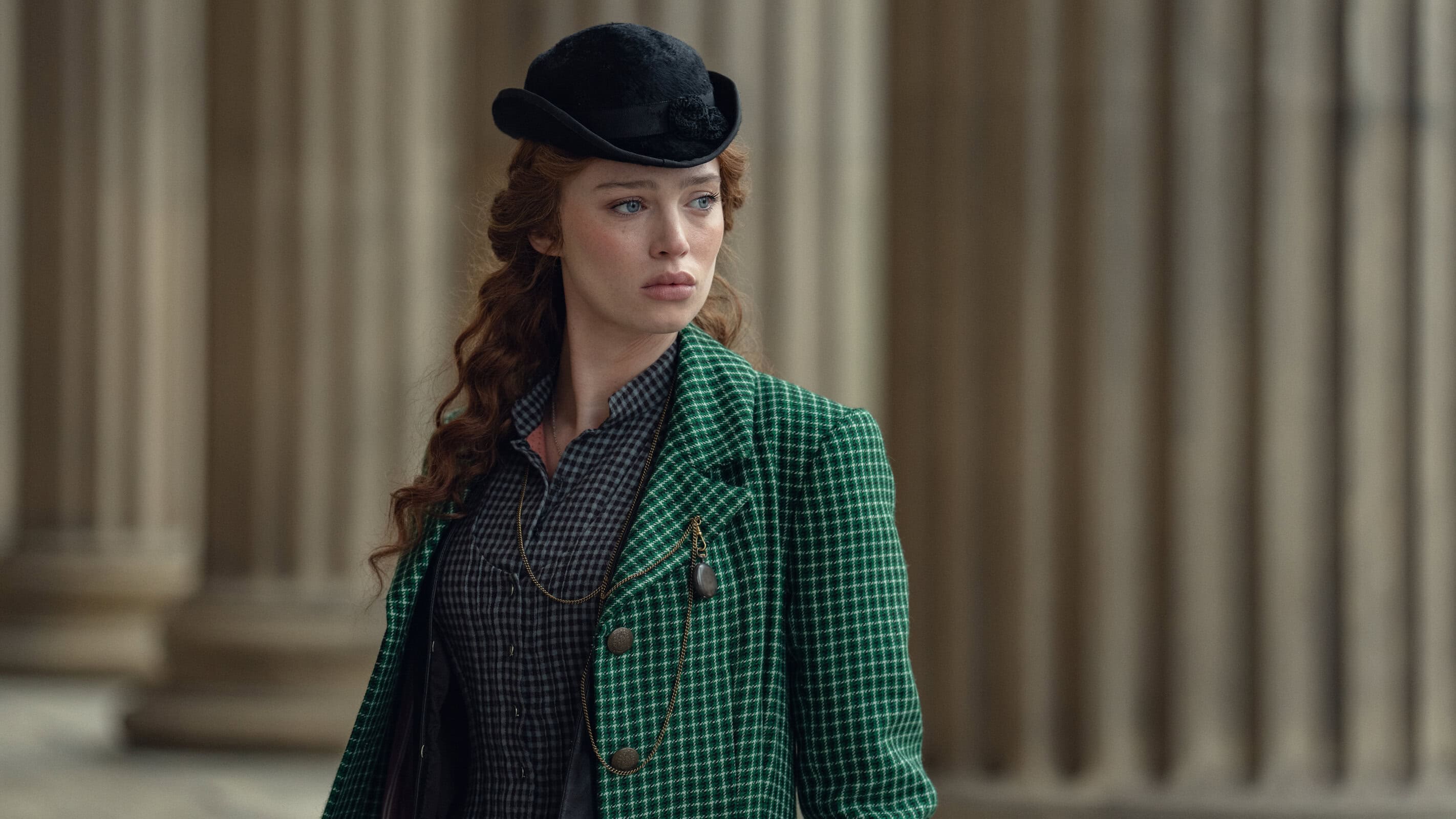
What is the House of Guinness true story?
The Guinness story begins long before 1868. In 1759, Arthur Guinness signed a famous 9,000-year lease on the St James’s Gate site in Dublin, began brewing porter in the 1770s, and set the course for a global brand.
By the mid-19th century, Benjamin Lee Guinness had modernized the brewery and raised its profile in Ireland and beyond. He died on 19 May 1868.
After his death, control of the brewery passed jointly to his sons Arthur Edward Guinness and Edward Cecil Guinness. Edward later consolidated control and led Guinness into the modern era, including the 1886 stock offering.
The series sets this family drama against a turbulent backdrop. The Irish Republican Brotherhood (IRB) was founded in 1858, with the Fenian Rising in March 1867 and the Clerkenwell Prison bombing in December 1867 shaping public life on both sides of the Irish Sea.

Fact check highlights
Did Benjamin’s will give the brewery to Arthur and Edward?
Yes. Records and contemporary histories agree the brewery went to Arthur and Edward together after Benjamin’s death. Later, Edward became the dominant figure as the company expanded.
Was Anne Guinness excluded from the brewery?
Historically, Anne Lee Guinness married William Conyngham Plunket in 1863 and became noted for philanthropy; she did not inherit a share of brewery control. The show reflects that dynamic by centering succession on her brothers.
How accurate is the harp symbol story?
Very. Guinness first used the harp on labels in 1862 and registered it as a trademark in 1876. Ireland later adopted a left-facing harp as the state emblem to avoid conflict with the Guinness mark, which faces right. The harp itself is modeled on the Trinity College “Brian Boru” harp.
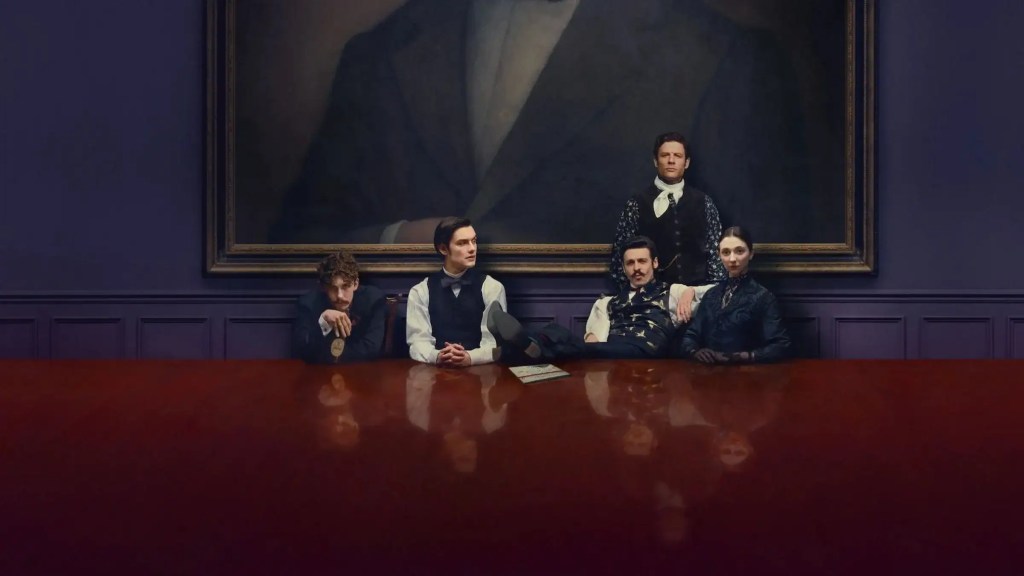
Did Guinness already look beyond Ireland in the 1800s?
Yes. Exports began in the 18th and 19th centuries and grew dramatically under Edward, culminating in the 1886 flotation and rapid industrial expansion. The show’s U.S. thread tracks with Guinness’s international ambitions, even if specific characters and deals are dramatized.
How does the Fenian conflict fit the timeline?
The show’s rebellion atmosphere is rooted in real events: the IRB’s growth, the failed Fenian Rising in March 1867, and the Clerkenwell explosion in December 1867. Setting the drama in 1868 places the family against an Ireland still tense from these shocks.
Where the series compresses or invents
Composite characters and romances. Figures like the foreman Sean Rafferty appear to be fictional devices that capture class, faith, and political tensions of the era. The show uses them to dramatize how industrial power intersected with street-level politics. (The historical record centers on the Guinness family and their public roles, not these personal entanglements.)
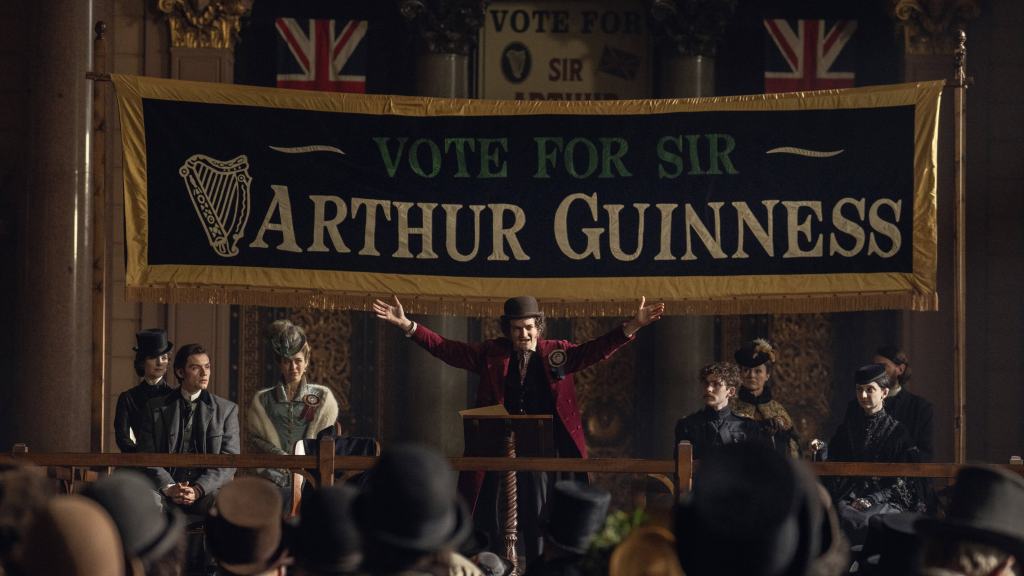
Election intrigue. Arthur’s political ambitions reflect reality. Members of the family served in public office, and Arthur Edward Guinness became a notable philanthropist and public figure. Specific bribery plotlines are dramatized.
Business succession and strategy. The joint inheritance is accurate, as is Edward’s later dominance and the late-century modernization. The series compresses years of corporate change into a tight timeline for dramatic effect.

Why the House of Guinness true story still matters
The show frames a private dynasty against national identity. That rings true. The harp that sells stout also sits on passports. The family’s philanthropy shaped Dublin’s civic life. And the politics of 1867–69 remind us how industry and ideology collided in everyday streets and voting halls.
The House of Guinness True Story
House of Guinness true story elements hold firm: the 1759 lease, Benjamin’s 1868 death, the joint inheritance by Arthur and Edward, the harp’s origins, and the turbulent Fenian backdrop. The series heightens romance and rivalry, but its spine matches the historical record. That mix of fact and fiction is what gives the drama its bite.
Key Details
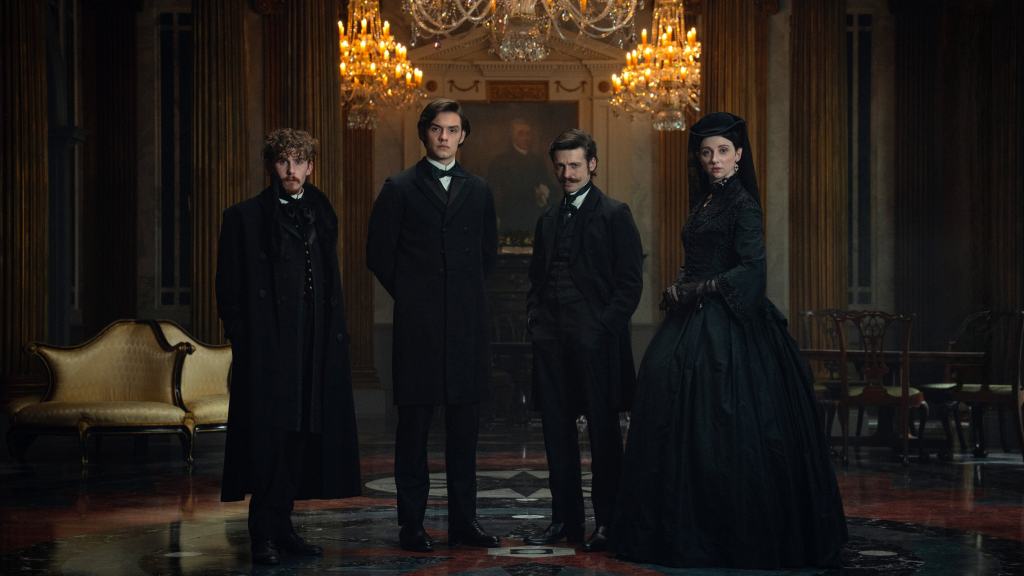
House of Guinness is a Netflix historical drama set in Dublin in 1868, created by Steven Knight. Season 1 has eight episodes and follows the Guinness heirs after the death of Sir Benjamin Lee Guinness. Main cast includes Anthony Boyle (Arthur), Louis Partridge (Edward), Emily Fairn (Anne), and Fionn O’Shea (Ben). The series is inspired by real family history rather than a single book.