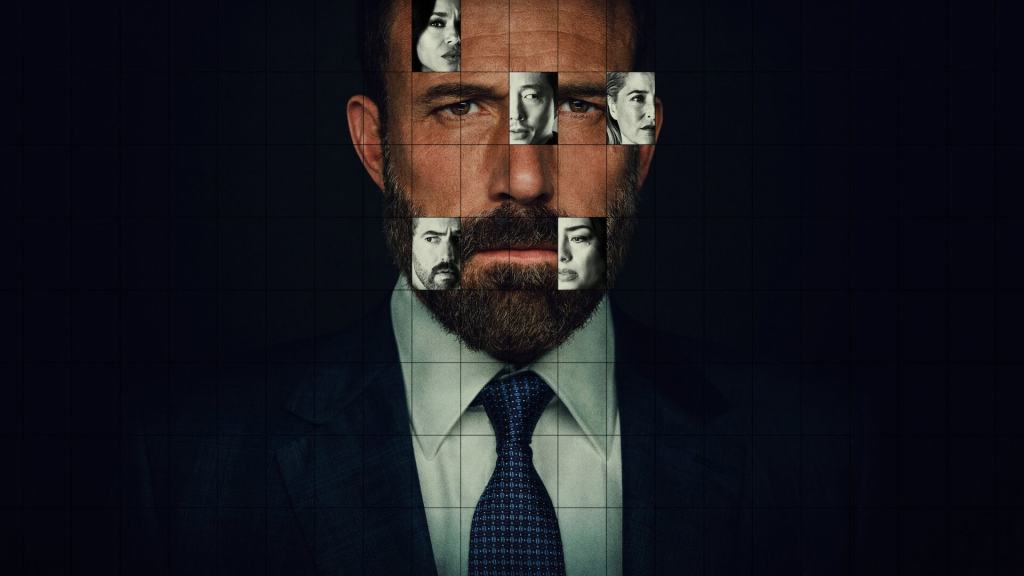

Animals left me frustrated enough that, had I known how it would end, I would have chosen to skip it. Ben Affleck does a good job directing the suspense, and the cast gives the film plenty of appeal. Then the resolution arrives in a rush of flashbacks, explaining crucial developments in what feels like a few seconds. After everything the film has spent time building, that ending is infuriating.
This Animals review and ending explained contains full spoilers for the Netflix thriller, which premiered on October 9.
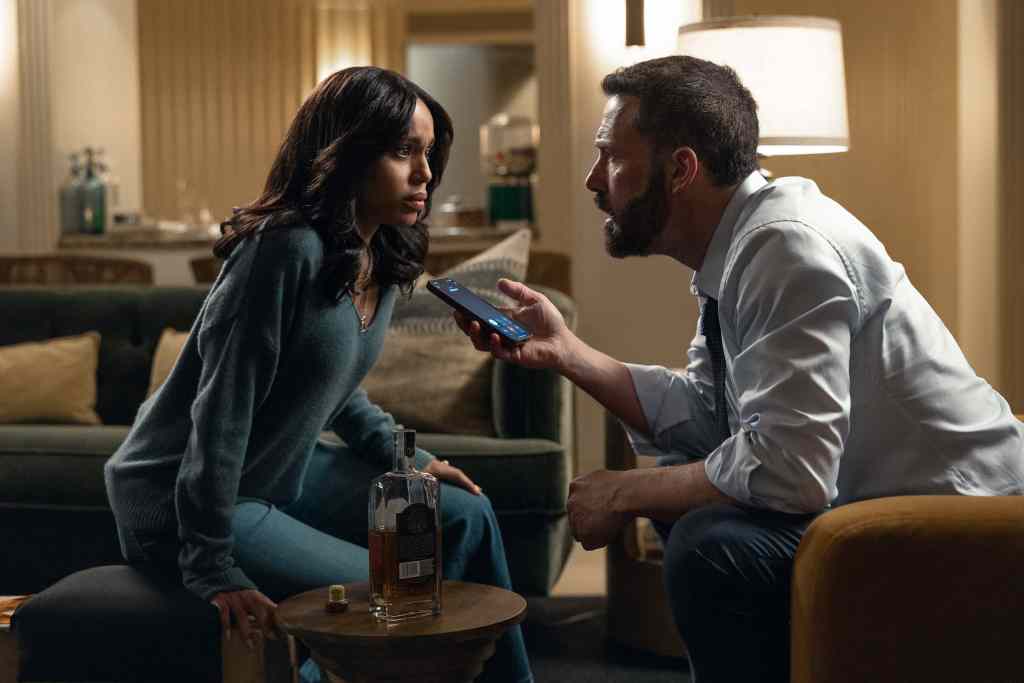
Affleck plays Mark, a Los Angeles mayoral candidate whose campaign has swallowed the family’s savings without his wife Abby, played by Kerry Washington, knowing the full extent of it. When a caller claims to have kidnapped their son and demands $7 million, Mark has to admit that the money they need is gone.
His campaign strategist brings in Dayle, a fixer who can arrange the cash. Her help comes with a fee and obligations that will survive any change in their circumstances. That becomes a particularly unpleasant detail when their son walks through the door.
The wrong child makes the story more interesting
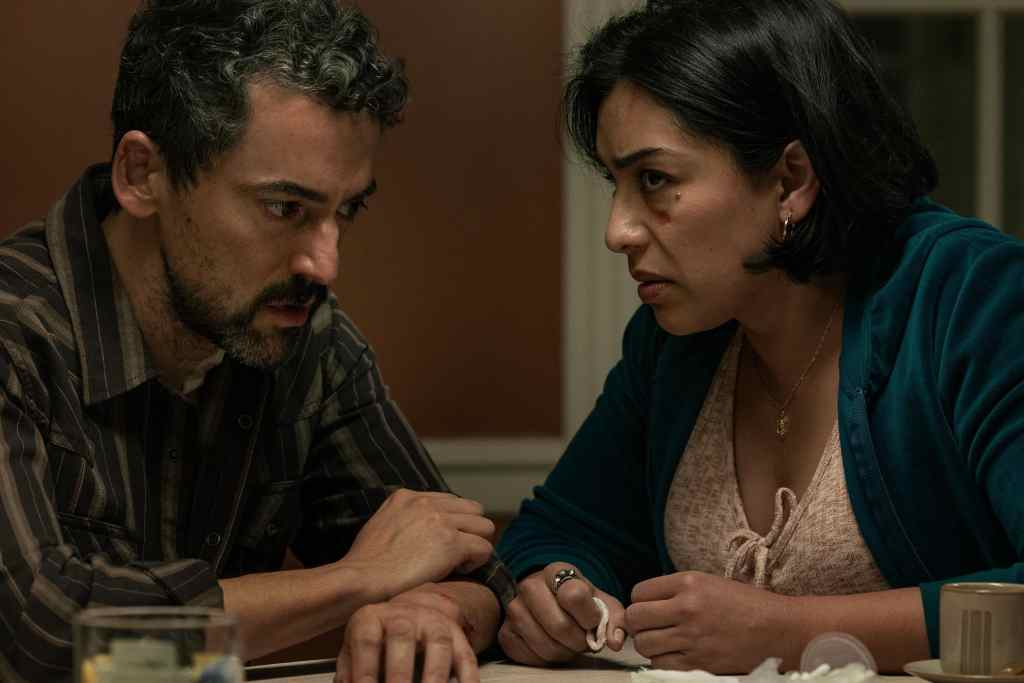
Denny has returned safely. The kidnapped boy is Hector, the son of their nanny Cecilia’s boyfriend, Ramon. The children were wearing matching Halloween costumes, and the kidnappers took the wrong one.
I found that switch refreshing. The film moves away from the expected story of a politician fighting to recover his own child and leaves Mark facing a decision about someone else’s.
The ransom demand remains. So does his debt to Dayle. Meanwhile, abandoning Hector would be disastrous for a campaign already struggling to win Latino support. His relief at seeing Denny does not get him out of the situation.
Dayle lays out an alternative to paying: arrange the exchange, recover Hector, and have the kidnappers killed. Mark’s own son is now safe, making it easier for him to consider a risk that another father’s child will have to share.
The switch gives the story something more interesting to work with, and it makes Ramon’s determination to act for himself entirely understandable. His son is still missing while other people discuss the options.
Affleck knows how to make the waiting tense
The sequence involving the Mexican dance performance is one of the film’s best. The dancers’ heels and Ramon waiting for his moment to attack a kidnapper’s accomplice work so well together. Affleck makes the anticipation feel tense before the attack happens.
It is a specific scene I kept coming back to afterward, particularly because it shows how effectively the film can give a moment time to develop. The waiting is part of the suspense.
Several of the car sequences are well handled, too. Affleck’s direction gives these passages the tension the story needs, and they helped keep me invested even as the decisions became uglier.
That is why the ending frustrated me so much. There is clear care in how the film builds toward danger. I wanted that same attention given to what happens after it.

Gillian Anderson and that white suit
Affleck and Washington are a considerable part of the film’s appeal, but Gillian Anderson is the real star for me. She makes Dayle mysterious and completely sure of herself, never missing a beat. Before anyone has finished explaining themselves, she seems to have read the room and understood the people in it. Anderson makes that confidence feel effortless.
Then there is the white power suit.
Putting a fixer in that outfit in a film that also stars Kerry Washington immediately brought Olivia Pope to mind. The association was close enough to distract me. Surely the director and costume designer could have chosen something that made the resemblance less obvious.
Do powerful, confident women always need to arrive in a white power suit? Anderson already gives Dayle all the authority she needs. The costume felt like an unnecessarily familiar choice.
The Standout
Gillian Anderson as Dayle; she makes this mysterious fixer feel completely in command, reading the room before anyone finishes explaining themselves.

Animals ending explained: what happens at the exchange?
Mark agrees to Dayle’s plan. He will take the ransom money to the meeting point while her gunman, Rand, waits to kill the kidnappers once Hector is safe.
The plan goes wrong because there is a third attacker they have not accounted for. Rand shoots the first two men, but the remaining kidnapper shoots Rand and Dayle. Mark shields Hector as the confrontation continues.
Ramon arrives with a rifle and kills the final attacker, saving his son and Mark.
The supplied account identifies the main kidnapper as a man whose business was ruined by the consequences of environmental legislation associated with Mark. He blames Mark for the collapse of his life and wants him to experience the humiliation of losing everything. The kidnapping is an act of revenge as well as a demand for money.
After the shooting, Mark takes Dayle’s phone, which contains recordings that could expose his financial agreement with her and his authorization to kill the kidnappers. Dayle is still breathing when he does this.
Mark then gives Ramon the ransom money. They conceal what happened and agree to a version of events that makes Mark the rescuer.
In the public account, Mark provided the money and followed Ramon to the exchange, eventually firing the shot that saved Hector. Ramon supports that story. Mark accepts limited firearms penalties and benefits politically from his supposed heroism. Ramon returns to Mexico with his family and the money.
Mark becomes mayor, with the possibility of a presidential run ahead of him. Abby stays beside him, knowing that the story he tells publicly is false.
Mark turns the rescue into a political success, but the film rushes through how he gets there. That’s where it lost me.
The flashbacks explain the outcome far too quickly
So much of the resolution is delivered through brief flashbacks that I felt the film was hurrying to finish. The cover-up, the agreement with Ramon, and the construction of Mark’s public story are major developments. I wanted to experience those decisions as part of the drama.
Instead, I was left wondering whether we had reached some maximum number of minutes and everything still outstanding had to be squeezed in.
Explaining what happened afterward does not recover the satisfaction of seeing the resolution unfold. By the time the flashbacks supplied the missing information, I was already frustrated.
The Final Take
Affleck directs some very effective suspense, and the mistaken kidnapping gives Animals a welcome change in direction. Anderson is the standout in a cast that helps keep the film engaging.
But the ending spoiled the experience for me. I had stayed invested through the danger and the waiting, only to have the aftermath hurried past. Knowing that in advance, I would have skipped it.