
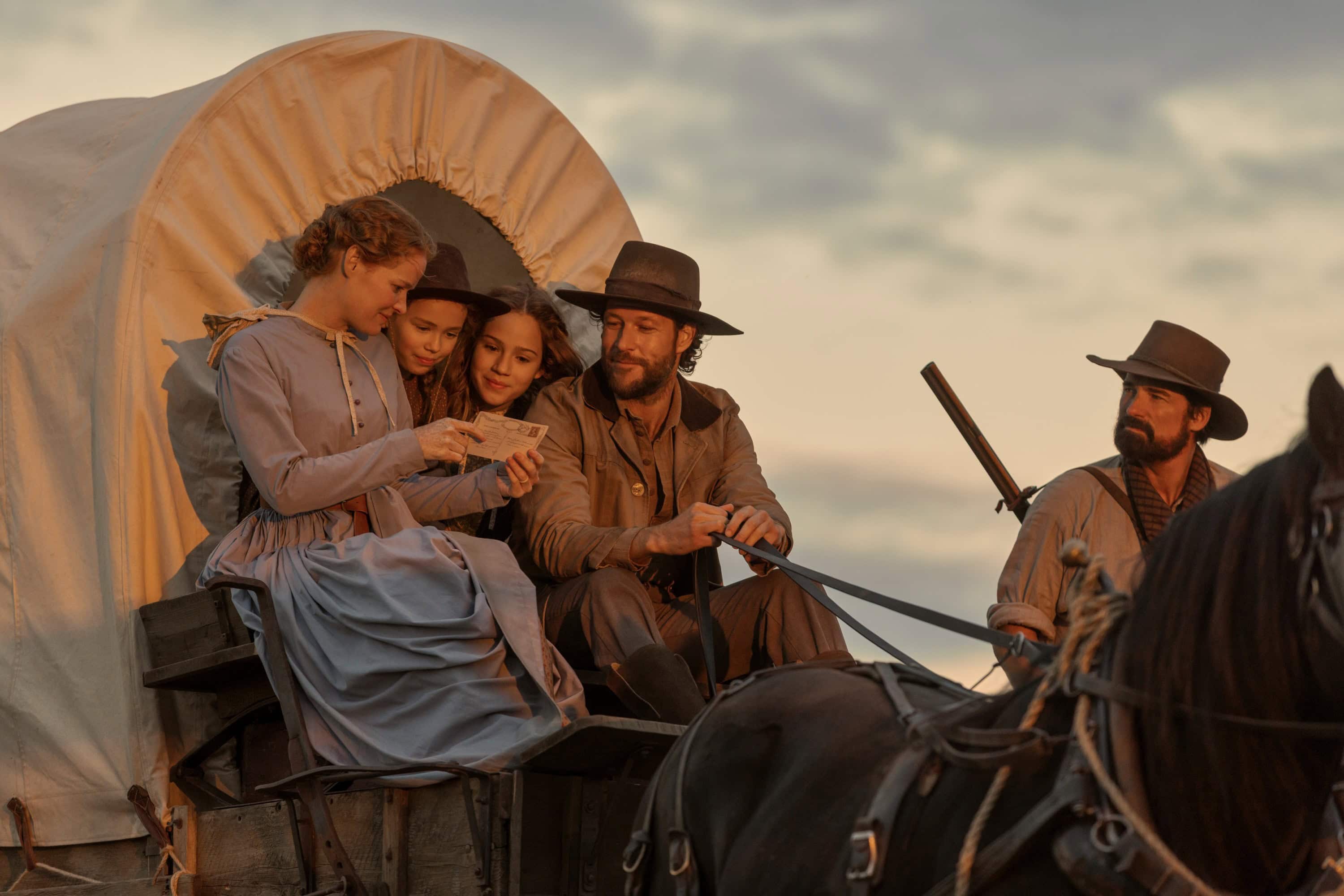
Netflix’s Little House on the Prairie follows the same basic story as Laura Ingalls Wilder’s novel, but it makes several significant changes along the way. The Ingalls family still travels to Kansas, builds a cabin on the prairie, forms a complicated relationship with the Osage people, and is eventually forced to leave. However, many of the season’s biggest storylines, characters, and emotional arcs were created specifically for the series.
The Little House on the Prairie book vs series comparison shows that Netflix wasn’t interested in producing a scene-by-scene adaptation. Instead, the show takes the major events from Wilder’s novel and builds a much larger story around them. Some changes are small. Others completely reshape how the story unfolds.
The Main Story Stays Surprisingly Close To The Book
For all the discussion about changes, the biggest events in Season 1 are actually pulled directly from the novel.
The Ingalls family still leaves their previous home and heads west in search of a better future. The dangerous river crossing remains part of the journey, including the moment when Jack is swept away and presumed lost.
The family still builds a cabin from scratch on the Kansas prairie. They still face illness, harsh weather, uncertainty about the land, and the constant challenge of surviving in an unfamiliar place.
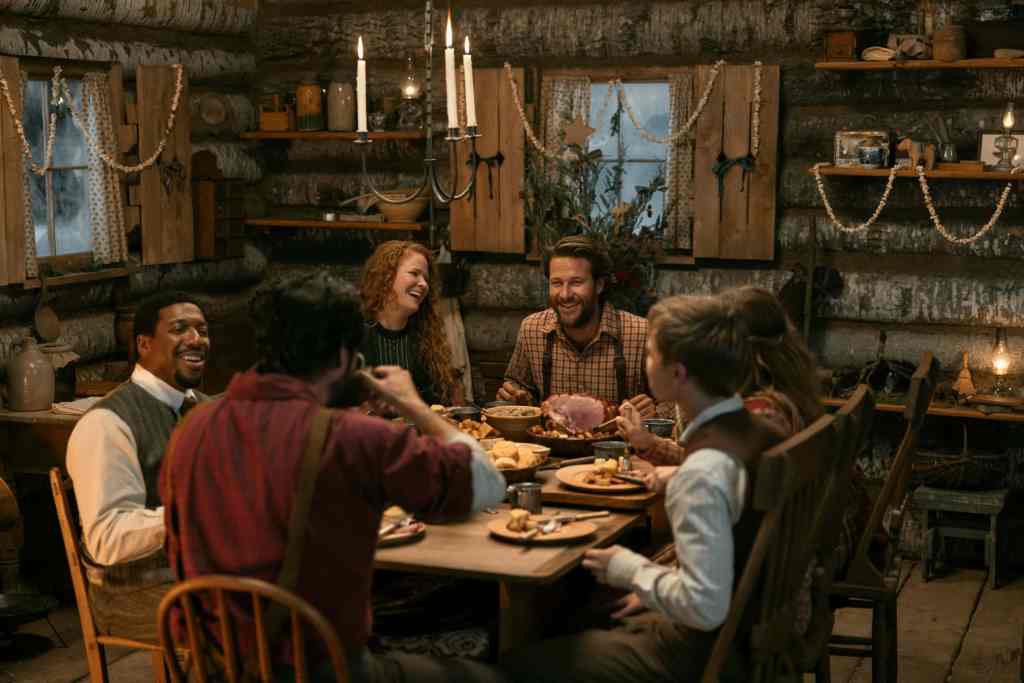
Even several memorable moments involving Mr. Edwards remain intact. His Christmas kindness toward Mary and Laura appears in both versions, though the series expands the storyline into a much larger holiday episode.
The prairie fire also remains an important part of the story. In the book, a frightening challenge threatens the family’s home. In the series, the fire becomes a much larger event that affects the entire community and ultimately plays a major role in the Ingalls family’s departure.
The ending reaches the same destination as well. In both versions, the Ingalls family learns they cannot remain on the land and must leave Kansas behind.
If you only look at the major milestones, the adaptation follows the novel more closely than some viewers might expect.
The Series Expands Independence Into A Much Bigger World
The biggest difference is not what happens. It’s how much more happens in between.
Laura Ingalls Wilder’s novel is primarily focused on the Ingalls family. Readers experience most events through Laura’s perspective, and many of the people who pass through the story only appear briefly.
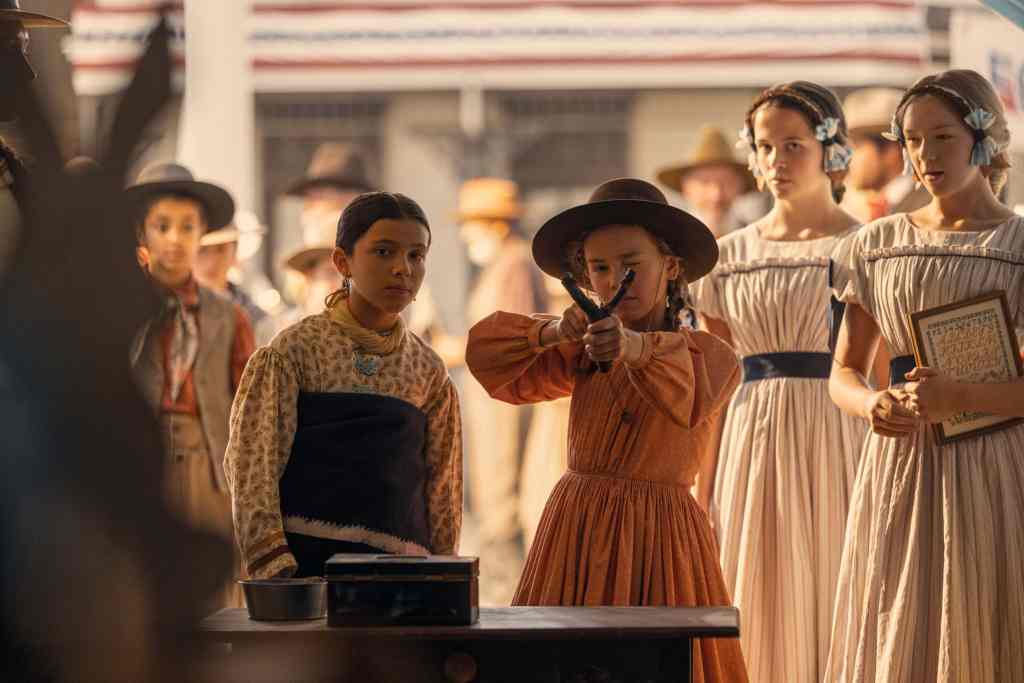
The Netflix series turns Independence into a fully developed community.
Instead of spending all of its time with Charles, Caroline, Mary, and Laura, the show introduces a large supporting cast with storylines of their own. Characters form friendships, begin romances, struggle with loss, and make choices that affect the future of the town.
By the end of the season, Independence feels like a real community rather than simply the place where the Ingalls family happens to live.
That change alone accounts for many of the differences readers will notice.

Good Eagle Is The Biggest New Character In The Entire Series
No addition changes the story more than Good Eagle.
In the book, Laura does not have an Osage friend. She encounters members of the Osage community throughout the story, but there is no relationship comparable to the friendship she develops in the Netflix adaptation.
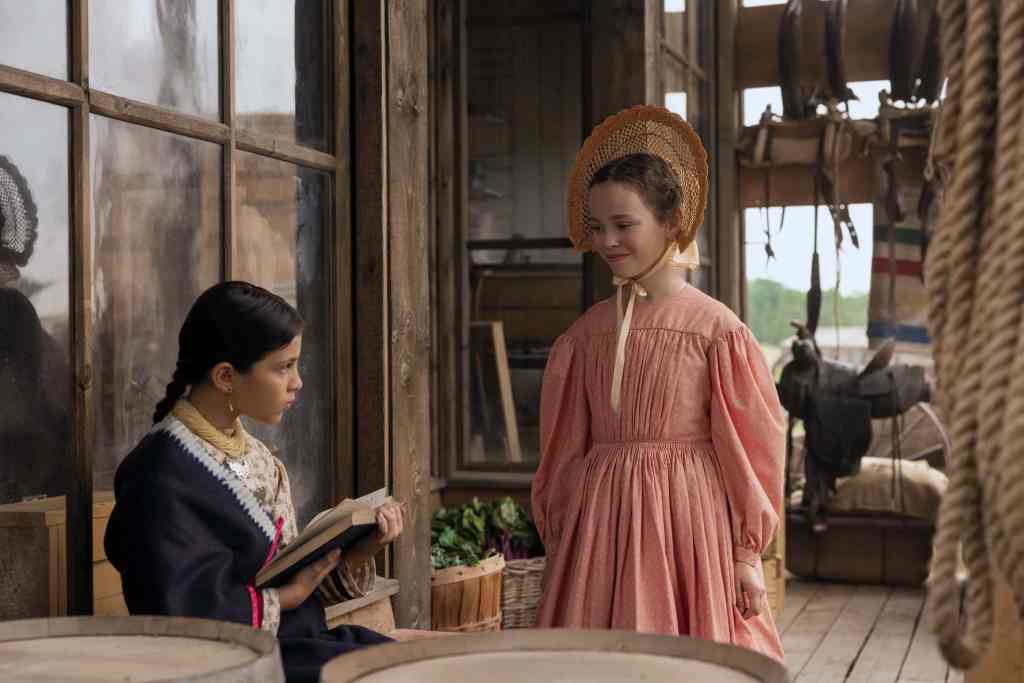
The series introduces Good Eagle as one of Laura’s closest companions. Through their friendship, viewers see the growing tension surrounding the land dispute from both sides.
The relationship also gives the season one of its strongest emotional storylines. As the treaty negotiations move forward and the Osage prepare to leave Kansas, Laura’s fear of losing her friend becomes one of the show’s central emotional threads.
The book never gives Laura a friendship like this, making Good Eagle one of the most significant additions in the entire adaptation.
The Osage Story Receives Much More Attention
Good Eagle is only one part of a much larger change.
While the novel acknowledges the conflict between settlers and the Osage, most of those events happen around the Ingalls family rather than directly involving them.
The series spends far more time exploring what the situation means for the Osage families themselves.
Characters such as White Sun, William Mitchell, and Governor Joe become important figures throughout the season.
The show also introduces a treaty-signing storyline in which Osage leaders debate whether to accept relocation and leave Kansas.
None of that appears in the book.
In Laura Ingalls Wilder’s novel, there is no treaty negotiation, no Osage leader making a decision, and no scene in which the Osage agree to leave. The land remains Osage territory throughout the story. Instead, Pa learns from neighbors that the government is sending soldiers to remove the settlers because they never had a legal right to the land in the first place.
The decision is entirely off-page. Readers never see the Osage perspective, and the situation is explained through conversations between settlers who feel they were misled about whether the land could be claimed.
That leads to another major difference. In the book, the Ingalls family leaves before the soldiers arrive because Pa refuses to wait to be forced off the land. In the series, the departure is tied to treaty negotiations, financial hardship, and the destruction of the family’s crop.
The result is that the show gives the Osage a much larger role in the story, viewers see how the uncertainty affects both communities and watch the decisions unfold on screen.
Why Is Carrie Missing?
One of the first things longtime readers are likely to notice is that Carrie is missing.
In Wilder’s novel, baby Carrie is already part of the family when the story begins. She travels to Kansas with Charles, Caroline, Mary, and Laura and is present throughout the entire story.
The series takes a completely different approach.
Instead of bringing Carrie West, the show turns Caroline’s pregnancy into a season-long storyline. Viewers watch the family prepare for the baby’s arrival before Caroline goes into labor during the Christmas episode. The adaptation then makes an even bigger change.
Rather than naming the baby Carrie, Charles and Caroline name their daughter Caroline after her mother.
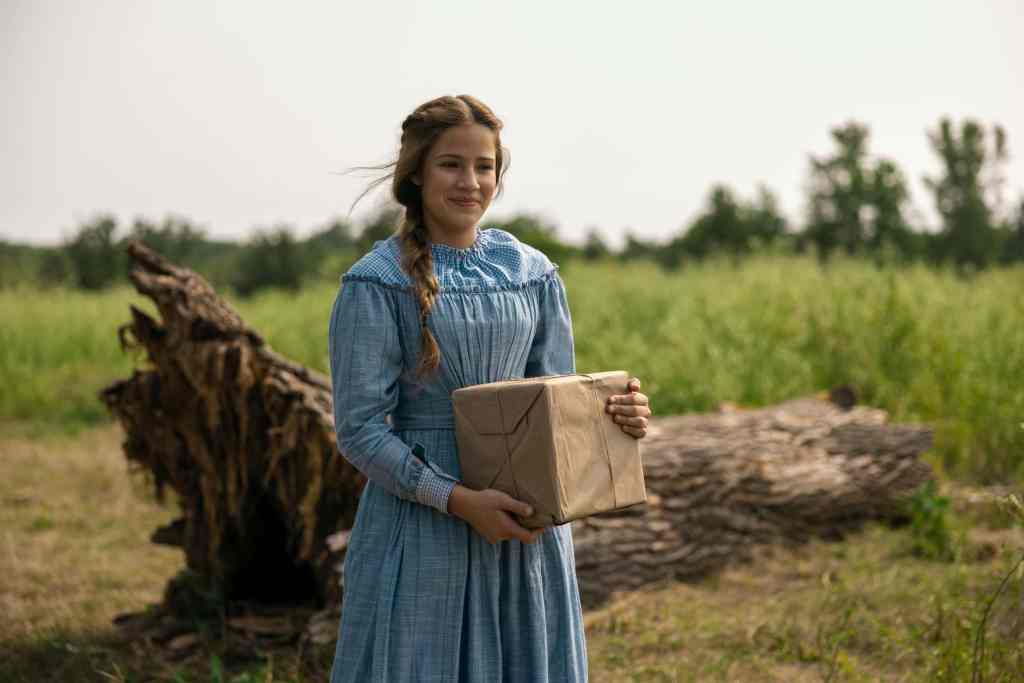
John Edwards Has A Much Bigger Story
John Edwards Has A Much Bigger Story: Mr. Edwards remains a beloved character from the book, but the Netflix version gives him much more depth.
In the novel, Edwards is a generous frontiersman who repeatedly helps the Ingalls family. Readers learn very little about his past, and much of his role revolves around the kindness he shows the family during difficult moments.
The show builds an entire storyline around him. John struggles with alcoholism, grief, and the loss of his wife and daughters. His efforts to rebuild his life become an important arc of the first season.
The changes also strengthen his relationship with Charles. Both men carry guilt over loved ones they could not save, creating a connection that does not exist in the novel.
The series also changes how John’s story ends. In the book, Edwards leaves the area before the Ingalls family and heads off on his own path. The two departures are separate events.
The show takes a different approach. In the final moments of Season 1, John catches up with the departing Ingalls family and asks to join them. He is the one who points them toward Walnut Grove, Minnesota, effectively helping launch the next chapter of their journey.
By the finale, John feels less like a recurring helper and more like a member of the family.
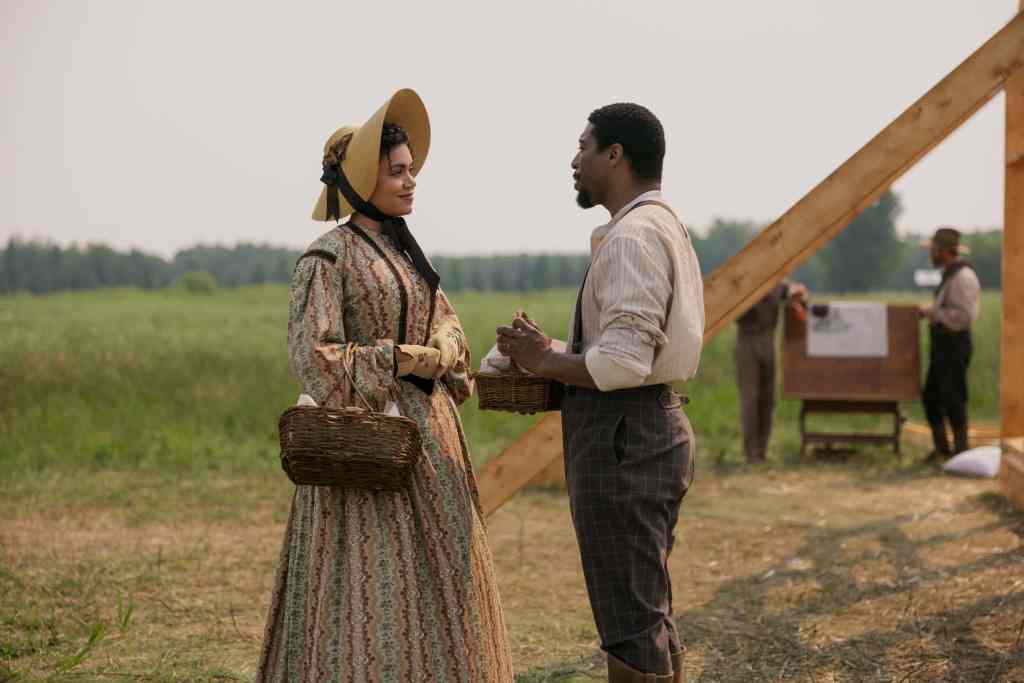
Charles’ Brother George Was Created For The Series
One of the storylines in Season 1 has no connection to the book at all.
Throughout the series, Charles is haunted by memories of his younger brother George, who died after serving in the Civil War. The loss affects Charles’ relationship with his father and helps explain why he becomes so invested in helping John Edwards.
George never appears in Laura Ingalls Wilder’s novel. The entire storyline was created for the series and serves as one of the main emotional arcs for Charles throughout the season.
It also helps explain many of his decisions, particularly when it comes to giving people second chances.
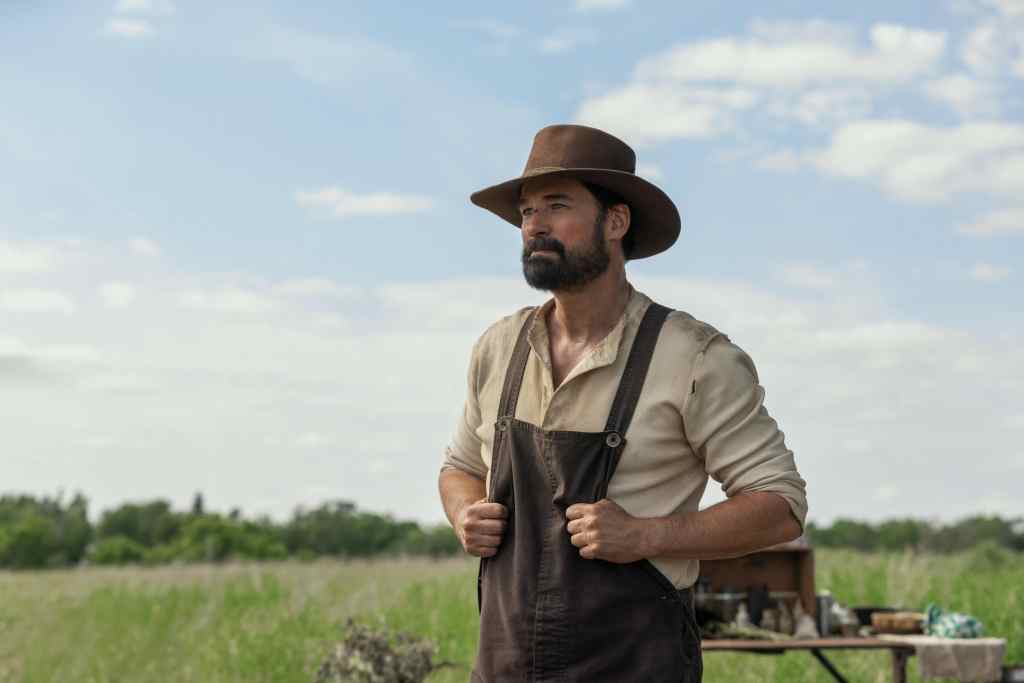
The Show Gives Caroline A Much Larger Role
Caroline is an important presence in both versions, but the series expands her role considerably.
The novel presents her largely through Laura’s eyes. Readers see her as a steady, dependable mother who helps hold the family together.
The series gives her storylines of her own. She challenges the Women’s Society, searches for work when money becomes tight, clashes with Charles over important decisions, and struggles with pressure from her mother to return home.
The adaptation also spends much more time exploring her marriage. Charles and Caroline disagree, argue, and occasionally keep secrets from one another.
Those conflicts make them feel more like a modern television couple while still preserving the strong partnership at the center of their relationship.

The Financial Crisis Is Almost Entirely New
The book’s Ingalls family faces plenty of hardships, but money is not usually the main problem. The series changes that.
Throughout Season 1, Charles and Caroline deal with debt, uncertain income, expensive supplies, and growing concerns about whether they can afford to stay in Independence.
The failed sale of their former property, Caroline’s search for paid work, and the cost of purchasing land all become major storylines.
These financial pressures eventually combine with the prairie fire to make remaining in Kansas impossible.
In the book, the family leaves primarily because they are ordered to do so.
In the series, economics become the reason that forces them to move on.
Several Major Characters Were Created For The Show
Many of Season 1’s most important characters do not come from the novel at all.
These include:
- Good Eagle
- White Sun
- William Mitchell
- Emily Henderson
- Caleb
- Lacey
- Jemma James
- Eli James
- Russell Kind
- Governor Joe
Some of these characters help expand the Osage storyline. Others create new romantic storylines, friendships, and conflicts that help fill out life in Independence. Without them, the season would look very different.

Is Netflix’s Little House on the Prairie Faithful To The Book?
Readers looking for a faithful recreation of every chapter will quickly notice how much new material was added to Netflix’s adaptation.
At the same time, the series keeps the major milestones of the Kansas story intact. The journey west, the cabin, the prairie fire, Mr. Edwards’ kindness, the conflict over the land, and the family’s eventual departure all remain part of the story.
What changes is everything built around those moments.
The series introduces new characters, expands existing ones, and spends far more time exploring the wider community surrounding the Ingalls family. Whether those changes work for individual viewers will come down to personal preference, but there is no question that Netflix’s version aims to tell a much larger story than the one found in Laura Ingalls Wilder’s original novel.
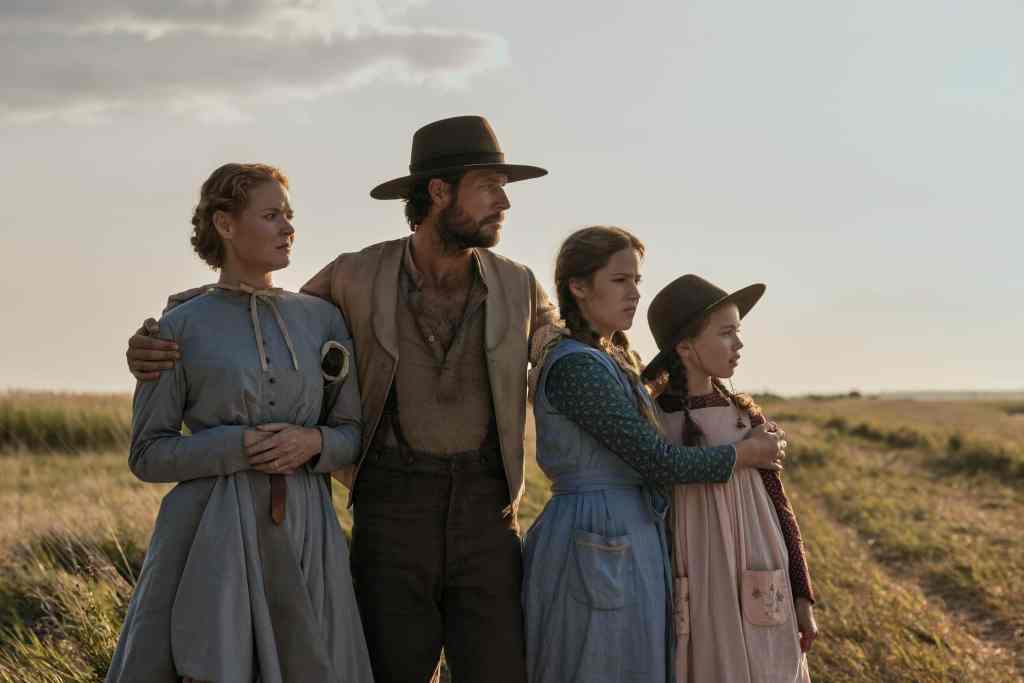
FAQ
Is Netflix’s Little House on the Prairie based on the book?
Yes. The series is based on Laura Ingalls Wilder’s Little House on the Prairie novel, although it expands many storylines and introduces several original characters.
Is Good Eagle in the Little House on the Prairie book?
No. Good Eagle was created specifically for the Netflix adaptation and does not appear in the original novel.
Why is Carrie different in the Netflix series?
In the book, Carrie is already part of the family when the story begins. In the series, Caroline becomes pregnant during Season 1 and later gives birth to a daughter named Caroline instead.