

Netflix’s Harlan Coben’s Run Away ends quietly, but the revelations it leaves behind are anything but small. By the time the final episode closes, the series has resolved its central mysteries while asking the audience to sit with one last, uncomfortable truth.
The violence stops, the cult is dismantled, and Paige is finally safe, yet the story refuses a clean moral resolution.
This Run Away ending explained breaks down what actually happened to Aaron, how The Shining Truth fits into the story, and why Simon chooses silence instead of closure.
Who really killed Aaron
For much of the series, Aaron’s murder is deliberately clouded. Paige believes she may be responsible. Cornelius implies her guilt. The police chase multiple theories. The truth only comes into focus at the end.
Ingrid killed Aaron.
After learning that Aaron had assaulted Paige and continued to exert control over her life, Ingrid made a decision she believed was necessary to protect her daughter. She sent Paige back to rehab and went to Aaron’s apartment herself. Dr. Stanfield was never a romantic partner or accomplice. He served only as an alibi that Ingrid could rely on.
Ingrid’s actions were calculated, not impulsive. She understood the legal consequences and accepted them, even arranging events so Simon would not be implicated. Luther later saw Ingrid leaving the scene, which explains his fear and his reaction when he reencountered her at Rocco’s place.
The series makes it clear that Ingrid does not view herself as justified or heroic. She sees her choice as irreversible and damaging, but unavoidable.

Why Paige believed she killed him
Paige’s belief that she killed Aaron is rooted in trauma rather than fact. After discovering Aaron’s body, she panicked, fled, and relapsed. In the confusion that followed, she filled in the gaps with self-blame.
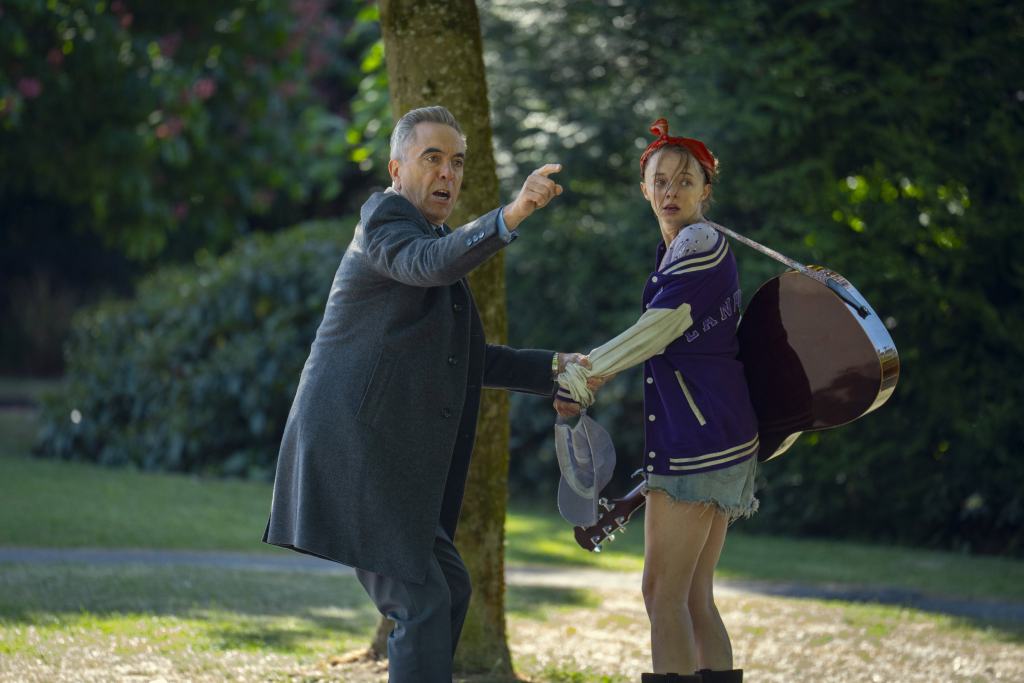
Only later does Paige realize the truth. Ingrid killed Aaron, not to punish him, but to stop what she believed would be continued harm. Paige asks Simon to keep this secret, knowing that the truth would destroy her mother if fully understood.
What The Shining Truth was really doing
The cult storyline initially feels disconnected from Paige’s disappearance, but the final episodes pull everything together.
Casper Vartage, the leader of The Shining Truth, fathered multiple children with women inside the compound. Once his two “divine” sons were born, the others were discarded and placed for adoption. Years later, those adopted sons, including Aaron, Henry, Damien, and Kevin, unknowingly became a threat.
According to the cult’s belief system, Casper’s estate would be divided among all male heirs. To prevent that, Casper ordered the elimination of his illegitimate sons. Dee Dee, thoroughly indoctrinated, facilitated the killings, while Ash carried them out.
Aaron’s death intersects with this plot, but it is not caused by it. The cult marked him, but Ingrid killed him first, for personal reasons that had nothing to do with inheritance or ideology. That distinction matters. The series avoids making Aaron into a symbolic cult victim alone. His death exists at the intersection of multiple forms of violence.
The final twist about Aaron’s identity
The most devastating revelation comes after the violence ends.
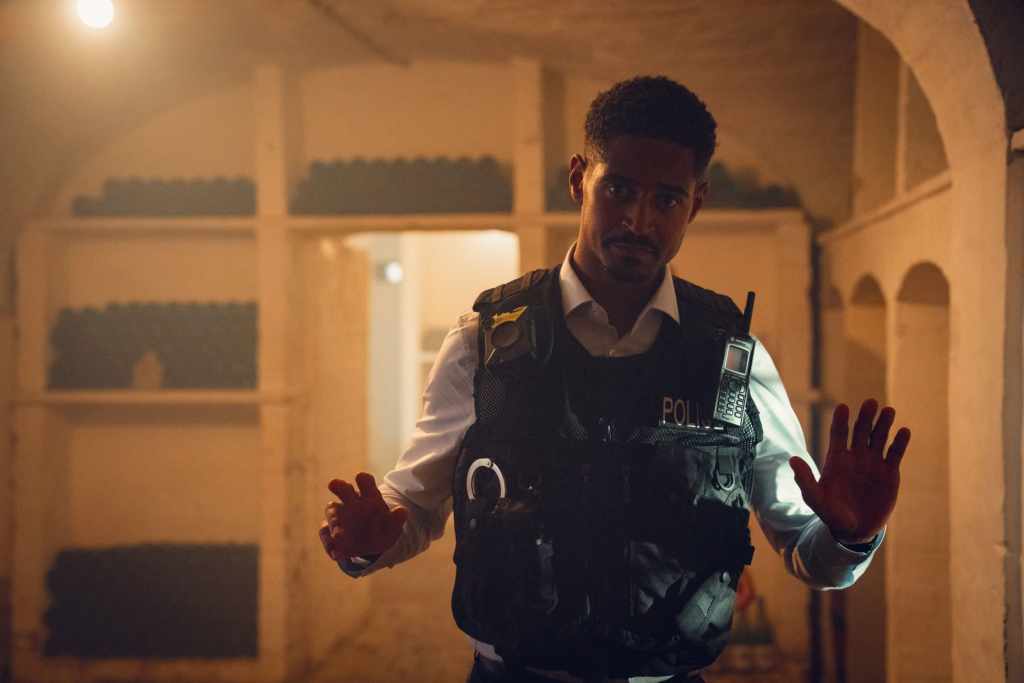
Aaron was Ingrid’s son.
Ingrid was once part of The Shining Truth. She became pregnant there and was told her baby was stillborn. In reality, the child survived and was placed for adoption. Ingrid escaped the cult, unaware that her son was alive.
Years later, that child grew up to be Aaron.
Paige and Aaron were never romantically involved. They were siblings who discovered their connection later. Aaron’s instability, addiction, and controlling behavior are framed as the result of lifelong abuse and abandonment rather than simple malice.
This truth reframes Ingrid’s actions entirely. She did not knowingly kill her son. Revealing that fact would not bring justice or healing. It would only add another irreversible wound.
Why Simon keeps the final secret
Simon’s choice at the end of Run Away is not about legality or morality. It is about damage control.
Telling Ingrid that Aaron was her child would destroy what remains of her recovery and her relationship with her family. Paige understands this and insists on silence. Simon initially resists, but ultimately agrees.
The series does not present this as noble or correct. It presents it as human. Some truths do not lead to resolution. They only create new harm.
The final family dinner reflects that reality. The danger is gone, but peace is incomplete. Simon carries knowledge he cannot share. Ingrid lives without knowing the full cost of her actions. Paige survives, but with scars that will not disappear.

What the ending ultimately says
Run Away ends by rejecting neat conclusions. The cult is exposed. The murders stop. Paige is alive. Yet the series argues that survival often comes with compromise, and protection sometimes requires silence.
The final secret stays with Simon because telling it would not save anyone. It would only break what remains.
That is why the ending lingers. Not because it shocks, but because it refuses to simplify what cannot be undone.

Nice plot, better than most stuff on Netflix recently, 5 years! but, contrived