
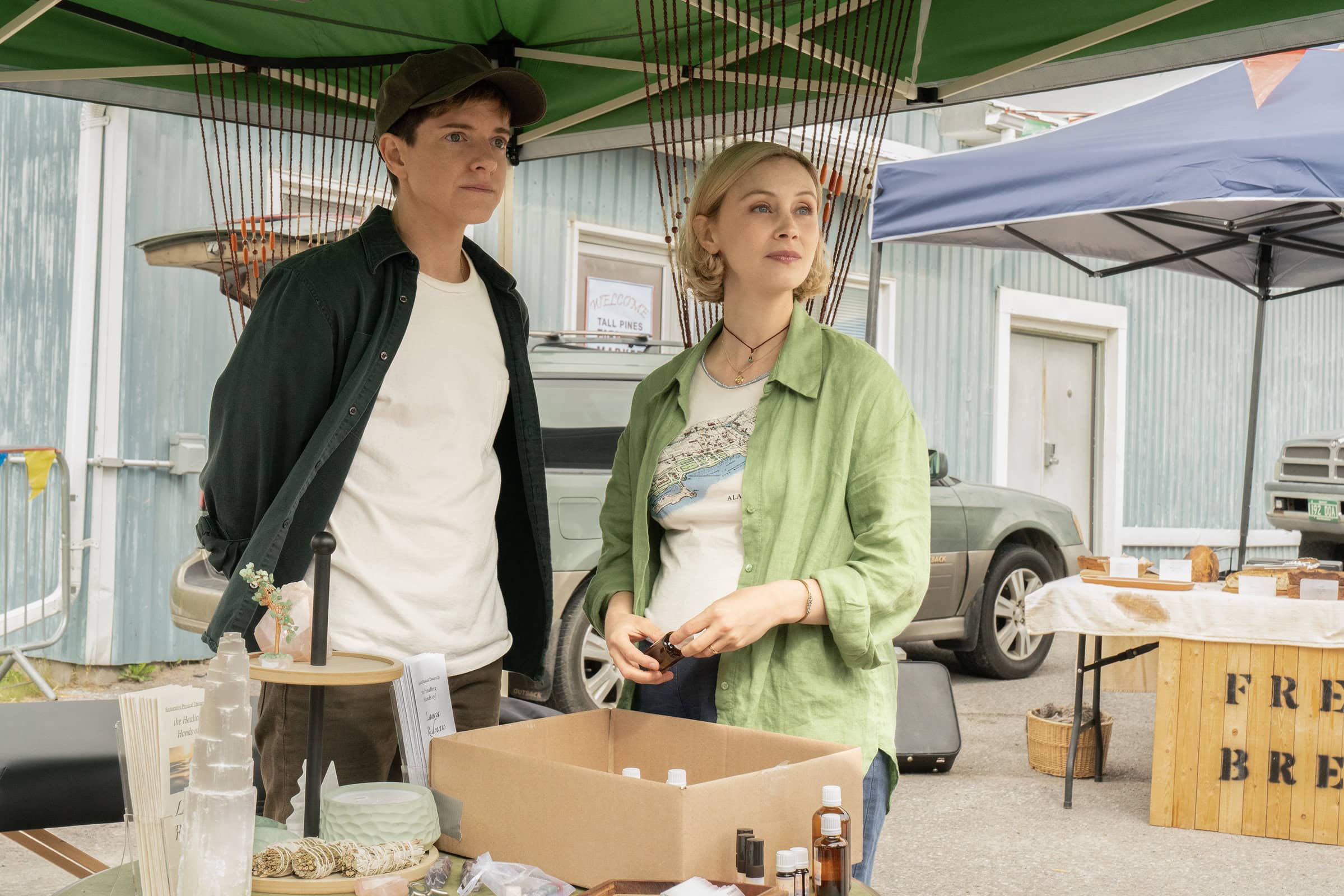
Netflix’s Wayward true story question comes naturally.
The limited series follows Tall Pines Academy, a so-called therapeutic school in Vermont, where charismatic leader Evelyn Wade (Toni Collette) uses harsh psychological tactics and psychedelic “Leap” therapy to reshape teens.
While Tall Pines is fictional, the show borrows heavily from real troubled teen programs and cult-like self-help movements that began in the 1970s.
Troubled teen industry roots
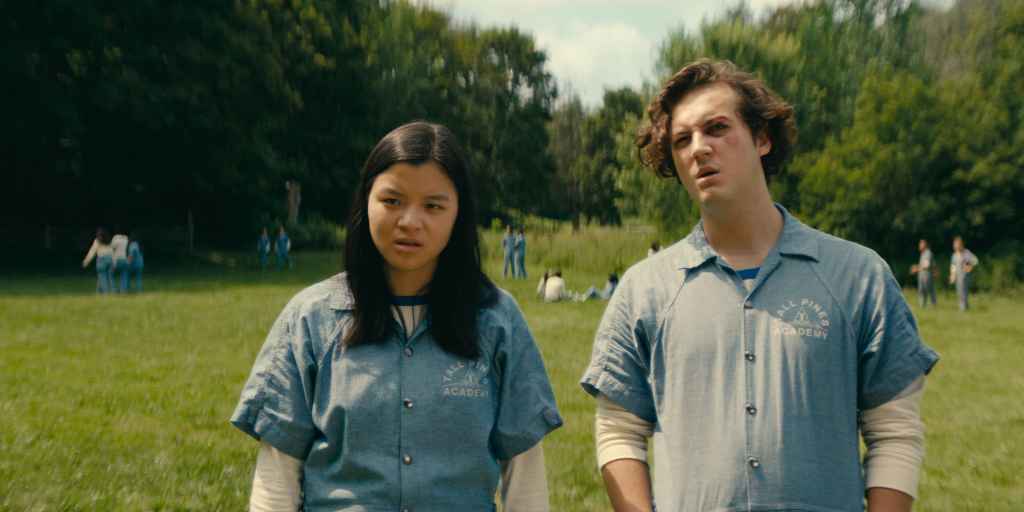
Beginning in the late 1960s and early 1970s, programs such as Synanon, CEDU schools, and later Provo Canyon School marketed themselves as transformational boarding schools for “wayward” youth. Parents were promised discipline, nature immersion, and therapy; many students reported emotional abuse, humiliation, and forced confessions similar to Wayward’s ritual “Hot Seat.”
These schools often operated with minimal oversight, isolating teens from family and friends. The idea of breaking down identity to rebuild character, a Tall Pines hallmark, comes directly from that era’s encounter groups and behavior-modification programs.
Self-help movements and cult psychology
Wayward also nods to the counterculture self-help boom. In the series, Tall Pines traces back to 1970s idealists who banned parenthood to “break cycles of trauma.” This mirrors real groups such as Synanon, which discouraged or controlled reproduction, and other communes that promised to heal society by reparenting children.
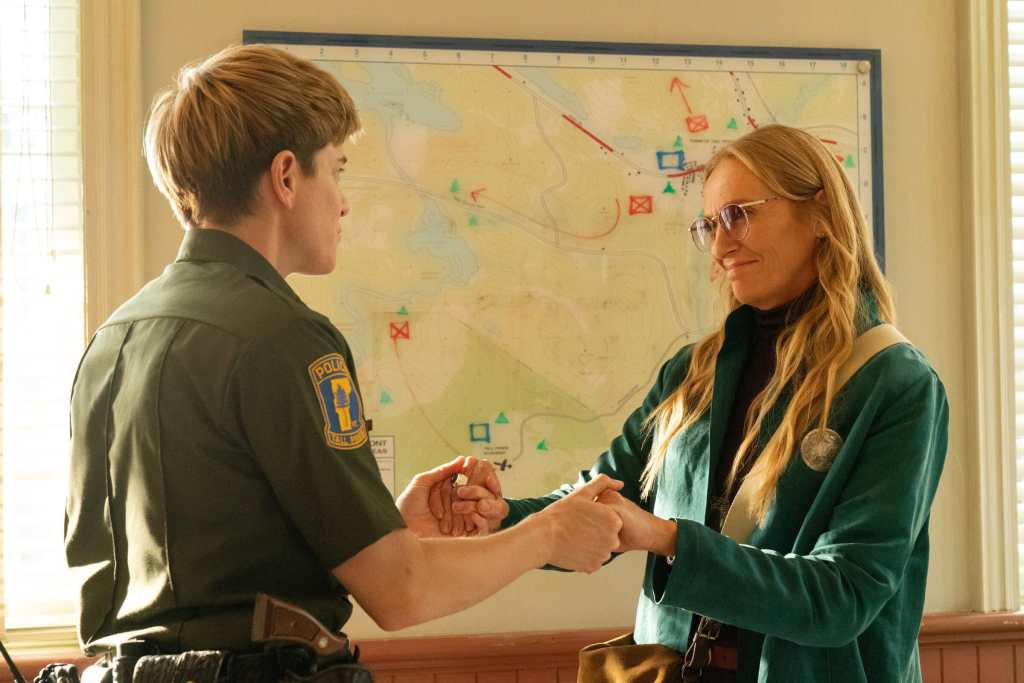
Evelyn Wade’s charismatic leadership reflects classic cult dynamics: love-bombing, isolation, communal identity, and the slow erosion of individual will. Her speeches about rebirth and “leaping” echo language used by leaders of encounter groups and New Age therapies that mixed psychology with spiritual rhetoric.
Psychedelic therapy parallels
The show’s “Leap” ritual, a drug-assisted session meant to sever parental bonds, riffs on real psychedelic experiments. In the 1950s–70s, psychiatrists and alternative therapists used LSD or psilocybin to treat trauma and promote radical emotional breakthroughs. These therapies were often poorly controlled and could be manipulative when combined with cult power structures.
Tall Pines weaponizes that concept: what should be healing becomes a tool for control, memory rewriting, and loyalty.

Why it feels authentic
Wayward never states it’s based on a single case, but it pulls recognizable threads:
- Therapeutic boarding schools promising reform while hiding abuse.
- Cult-like communities founded by self-styled healers rejecting traditional family structures.
- Psychedelic misuse in unsupervised therapy to break psychological bonds.
These elements make the story feel disturbingly plausible even though Tall Pines itself doesn’t exist.
Truth behind the fiction
The Wayward true story is that Tall Pines Academy is invented, but its DNA comes from real scandals in the troubled teen industry and experimental self-help movements of the 1970s.
By mixing those histories with cult psychology and psychedelic therapy gone wrong, the series builds a fictional town that feels uncomfortably possible, a reminder of how easily “healing” can become control.

Key Details: Wayward
- Release date: September 25, 2025 (Netflix limited series)
- Episode count: 8
- Setting: 2003, Tall Pines, Vermont
- Main cast: Mae Martin (Alex Dempsey), Toni Collette (Evelyn Wade), Sarah Gadon (Laura Redman), Sydney Topliffe (Abbie), Alyvia Alyn Lind (Leila), Patrick J. Adams (Wyatt Turner), Brandon Jay McLaren (Dwyane Andrews)
- Creators: Produced by Campfire Studios; directed by Skye Borgman
- Source material: Original Netflix series; inspired by real-world troubled teen schools and 1970s self-help movements