
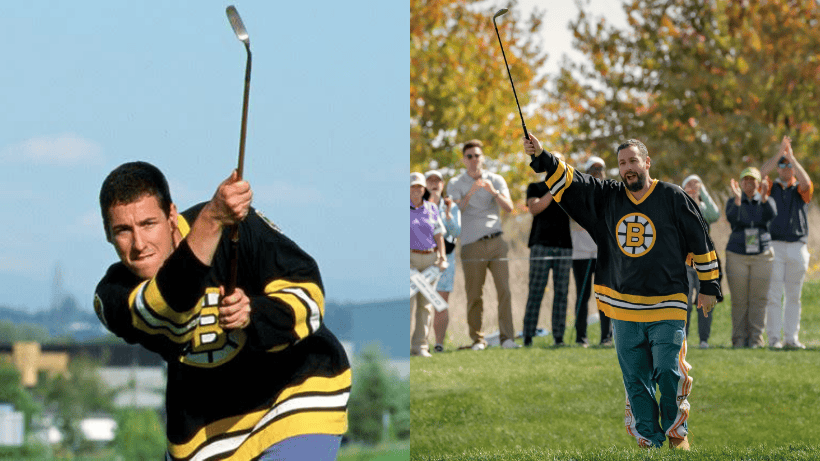
When Happy Gilmore hit theaters in 1996, it quickly cemented its place as a cult comedy.
Nearly 30 years later, Adam Sandler is back with Happy Gilmore 2, and it’s more than just a nostalgia trip. The sequel, now streaming on Netflix, brings new emotional stakes, updated humor, and a fresh look at how far Happy and Sandler, have come. Here’s a closer look at the differences, the similarities, and why the sequel still lands.
The Premise: Same Guy, New Stakes
The original film followed an aggressive, failed hockey player who stumbles into golf with a powerful swing and a short fuse. His mission was simple: win prize money to save his grandmother’s house.
In Happy Gilmore 2, the stakes are more emotional. Happy’s wife Virginia dies in a freak golf accident. He spirals into alcoholism and debt, only to climb back into the game to raise money for his daughter’s ballet school tuition. The plot now centers on second chances, legacy, and sobriety without losing the edge that made the first film a hit.
The Comedy: Absurd Then, Satirical Now
Slapstick defined the original, think fights with Bob Barker and wild gator attacks. The sequel still leans into chaos, but now it blends in satire. From parodies of influencer culture and over-the-top sports branding (hello, Maxi Golf League), to the humor now nods at the world we live in.
Cameos are stacked, too. Singers, Real golfers like Rory McIlroy and Bryson DeChambeau show up, along with franchise favorites like Ben Stiller (Hal L.) and Shooter McGavin (Christopher McDonald).
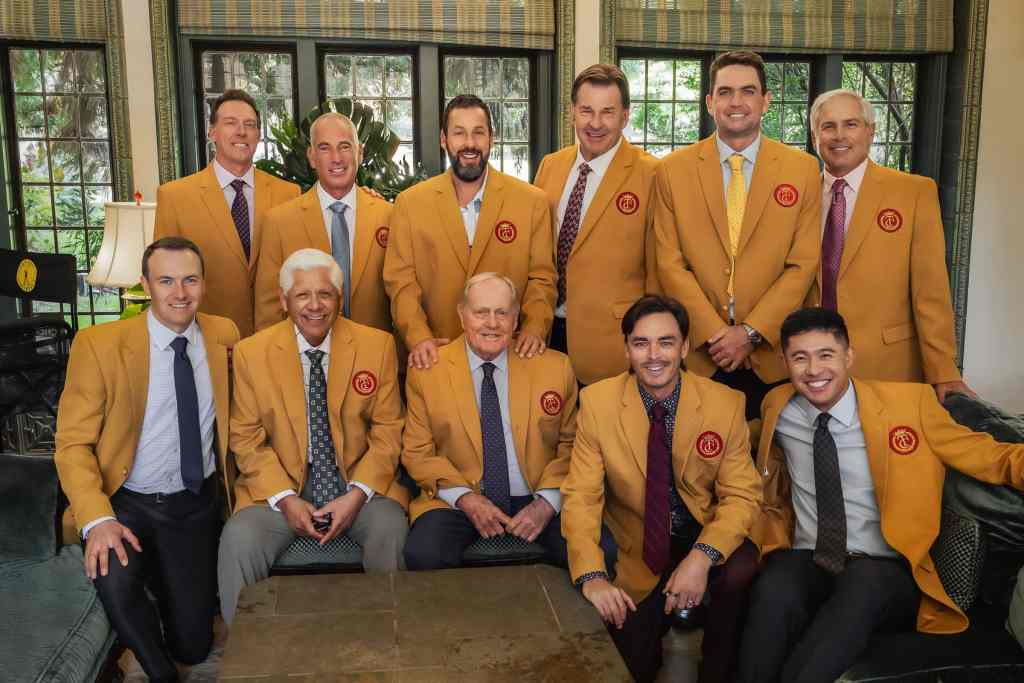
Sandler Then vs. Sandler Now: Still Funny, Just Grown Up
In 1996, Sandler played angry and impulsive for laughs. In 2025, he plays broken but hopeful. Happy is still angry but now he’s trying to control it. The inclusion of Sandler’s real family, wife Jackie, daughters Sunny and Sadie, and even his mom, adds weight to the story. This isn’t just a sequel; it’s a Sandler family affair, and that emotional layer helps the comedy hit harder.
Cultural Shifts: 1996 vs. 2025
In 1996, golf was still seen as stiff and elitist, making Happy’s intrusion into the sport feel rebellious. Now, the landscape is different. Between TikTok trick shots and influencer sports, golf has loosened up. That’s where the Maxi Golf League comes in a fictional new-gen league where chaos reigns, monkey bars replace sand traps, and fame beats finesse.
In the ’90s, the premise of a hockey brawler disrupting golf felt subversive. Now? Golf has TikTok stars, merch drops, and YouTube swing breakdowns. Netflix’s Full Swing, now with three seasons, has only pushed the sport further into the mainstream. The film’s fictional Maxi Golf League exaggerates this shift with obstacle-course-style courses and surgically enhanced players. The joke lands because the satire isn’t that far off.
Still, Happy Gilmore 2 ultimately sides with tradition. The finale pits old-school players against the viral sensations, and the message is clear: hard work and heart still matter.
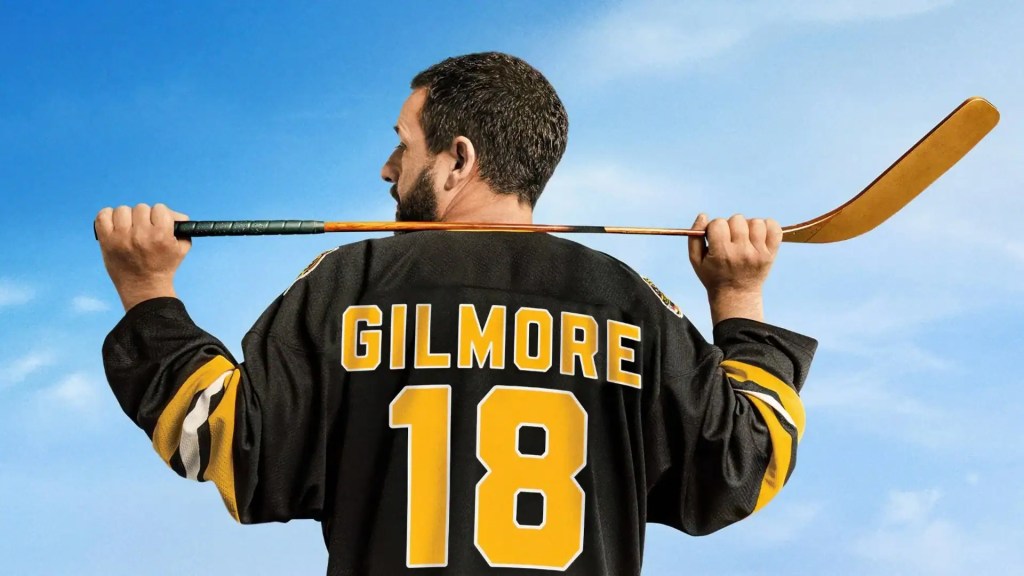
Shooter’s Redemption: From Villain to Coach
One of the most surprising changes is Shooter’s arc. Once the smug antagonist, he’s now an unlikely mentor. After a breakdown and institutionalization, he returns to train Team PGA for a grudge match against the absurd Maxi League. His comeback mirrors Happy’s in tone, older, wiser, still a little nuts.

Final Showdown: Higher Stakes, Bigger Canvas
The final tournament in the original ended with a quirky but heartfelt win. In the sequel, the scale is grander: supercharged athletes, a rigged rotating green, and a face-off between real golfers and genetically-enhanced ringers. Even with all the high-tech additions, the ending echoes the first film’s message: sometimes grit and heart beat out gimmicks.
Legacy and Tribute
The film quietly honors late Disney Channel star Cameron Boyce, who co-starred with Sandler in Grown Ups. It’s a blink-and-you’ll-miss-it tribute, but fans noticed. This small gesture is one more sign that Sandler has grown, both as a performer and producer.
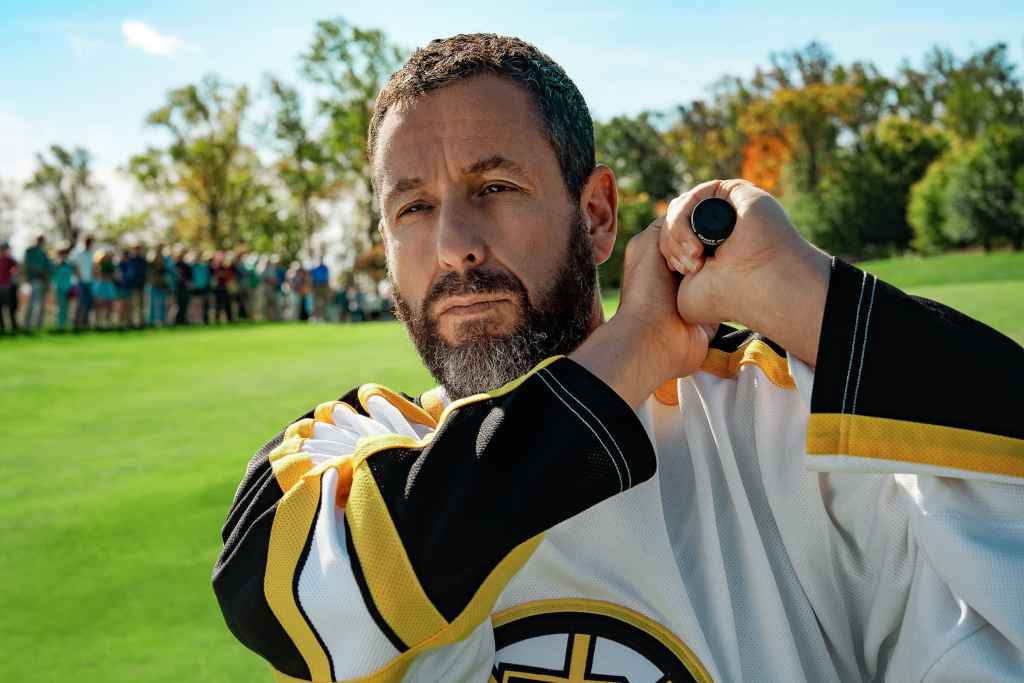
Then vs. Now: Does It Hold Up?
While it’s tough to beat the simplicity and charm of the original, Happy Gilmore 2 earns its place. It captures what made the first film iconic while acknowledging that time, grief, and aging change us. Is it better? Maybe not. But it’s smarter, more layered, and more heartfelt.
For fans old and new, it taps into the same happy place, just with more bruises and a few more jokes about cholesterol.